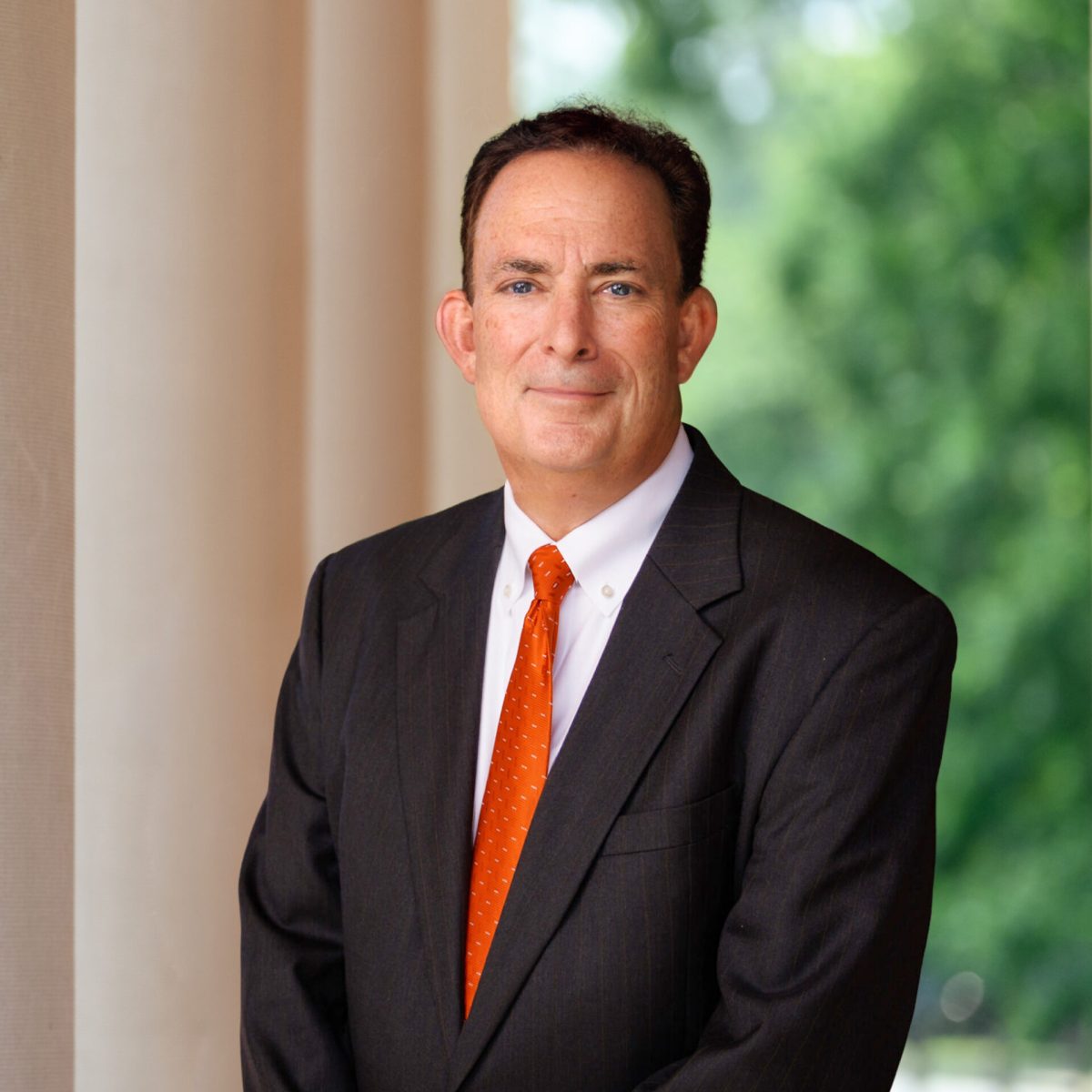


On Jan. 22, the city of Clemson Police Advisory Board met for its first meeting of the new year with Zach Freeman, Clemson’s undergraduate student body president, as a guest speaker.
The PAB provides the city of Clemson Police Department with the opportunity to communicate effectively with the community and city council, with participation from Clemson PD Chief of Police Jorge Campos.
Campos provides update on downtown drink tampering
Regarding heightened discussions of drink spiking in downtown Clemson in recent years, Campos said there has since been no evidence of an increase in drink tampering.
To assist the community and support efforts to gather evidence, a Green Screen program was implemented.
According to Campos, the Green Screen program is geared towards “looking for ways of finding answers when people believe they have been victimized, such as a drink spike.”
The program began with a partnership among Clemson Panhellenic, CPD and the Clemson University Police Department, according to a previous article by The Tiger.
“If somebody came in and reported that they believed their drink was spiked within a certain time frame, they could submit voluntarily to a blood and urine (test), and that could be sent to the lab,” Campos said during the meeting, clarifying the program’s implementation.
The state lab would run a test to check the person’s system for substances, and if any were found, the CPD would investigate further.
“So if we do prove that you were spiked … which is a felony, we can then charge somebody, and then that evidence can then be presented in court,” Campos told the Tiger in an interview.
Campos had previously clarified in December 2024 that in all reported cases of people who had gone to the hospital, police were unable to find “traditional, spiking-type of compounds,” according to a previous article by The Tiger.
Campos also explained that there is a difference between the test kits a hospital would use and those the police department administers. Since they have different goals and markers, it’s recommended to take the police department kit specific to drink spiking.
Zach Freeman speaks on drink spiking prevention initiative
Freeman attended the meeting with the goal of sharing the University’s undergraduate student body’s perspective with city police and to strengthen student-police relations, mentioning intentions to build “trust and long-term partnership.”
Freeman highlighted the Angel Shot initiative, originally introduced to the University in 2017, but which has fallen away in recent years.
He framed the initiative as “a student-led safety program that allows patrons to discreetly signal bar staff when they feel unsafe in many various ways.”
In practice, a person who feels threatened or unsafe at a downtown bar can order an angel shot from the bartender.
If the person requests the shot neat, a staff member will help escort them to their car. If the person asks for the shot on the rocks, the staff will help safely direct the individual to their Uber or Lyft. Staff will call the police if the person orders the angel shot with a lime.
Freeman mentioned that the initiative “just allows for more protection and student safety and well-being,” and goes along with Clemson Undergraduate Student Government’s recent push for partnerships with local bars to educate bar owners and staff about the program.
Freeman hopes that with advocacy on social media platforms and awareness throughout the city, the Angel Shot initiative will gain traction and success.
Beyond the Angel Shot initiative, Freeman spoke about creating “visible touch points” with students and community members between the city police. He believes that having “community reliance” and trust is important.
Finally, Freeman highlighted the need for interaction between students and police in non-enforcement settings to enhance transparency. He thinks it would be beneficial for officers to be more visible on campus, which might include attending training sessions, participating in campus events or visiting organizations.