
It’s no secret that the transfer portal is a problem.
More than half of all NCAA Division I basketball players were in the transfer portal this cycle.
Clemson Basketball, led by head coach Brad Brownell, was on the opposite end of the problem plaguing the rest of the NCAA. In the most recent transfer cycle, Brownell added three potential game-changers while only losing two players.
Although Clemson didn’t face the brunt of the blow like some other powerhouse programs, the problem is still present throughout collegiate athletics, not just basketball.
And the issue is only growing worse.
Recently, the problem reached the executive branch when Donald Trump issued an executive order that will take effect on Aug. 1.
Under the order, athletes will be allowed to transfer once without consequence, but they will be required to redshirt for each additional transfer. The goal is for athletes to play five years of college sports in five years and to prohibit transfers during the academic year or athletic seasons.
A few exceptions to parts of these rules are reserved for people performing an issue in the public interest or for athletes who have completed a four-year degree and want to transfer again to continue their athletic and academic careers.
Although the effort attempts to fix the growing problem, the floodgates have already been opened.
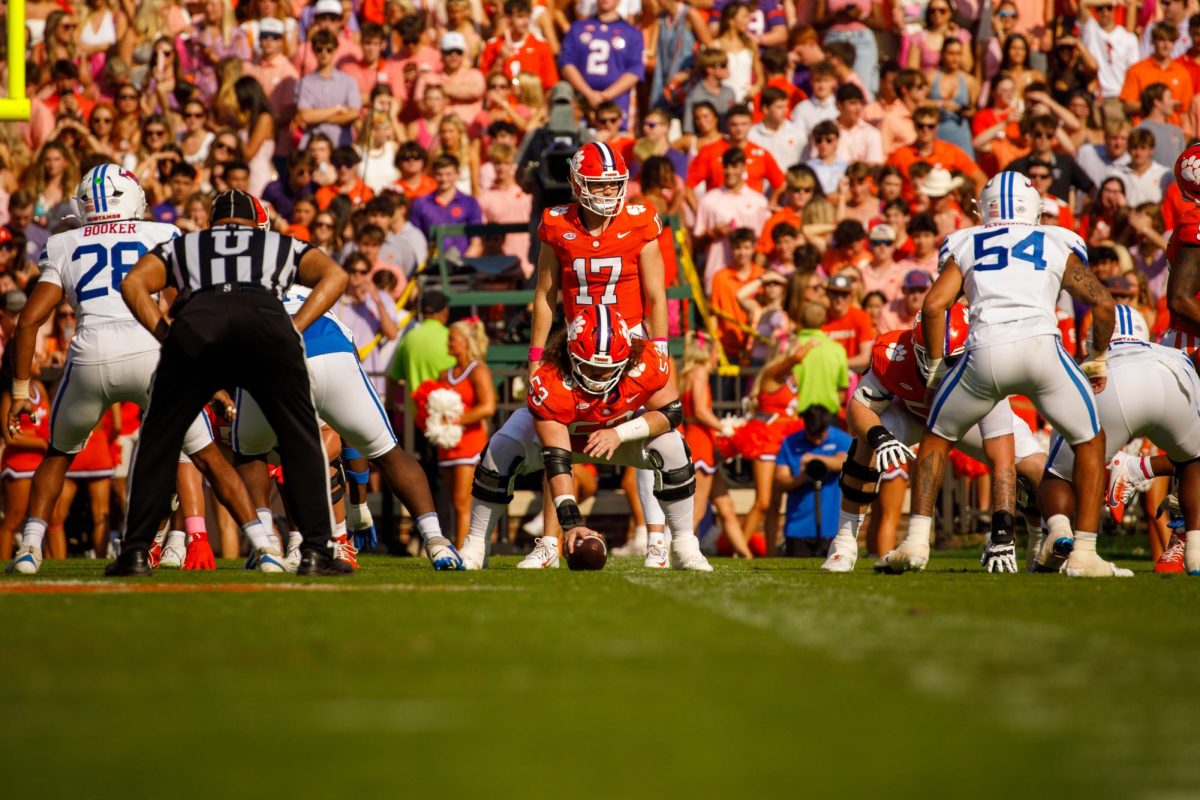
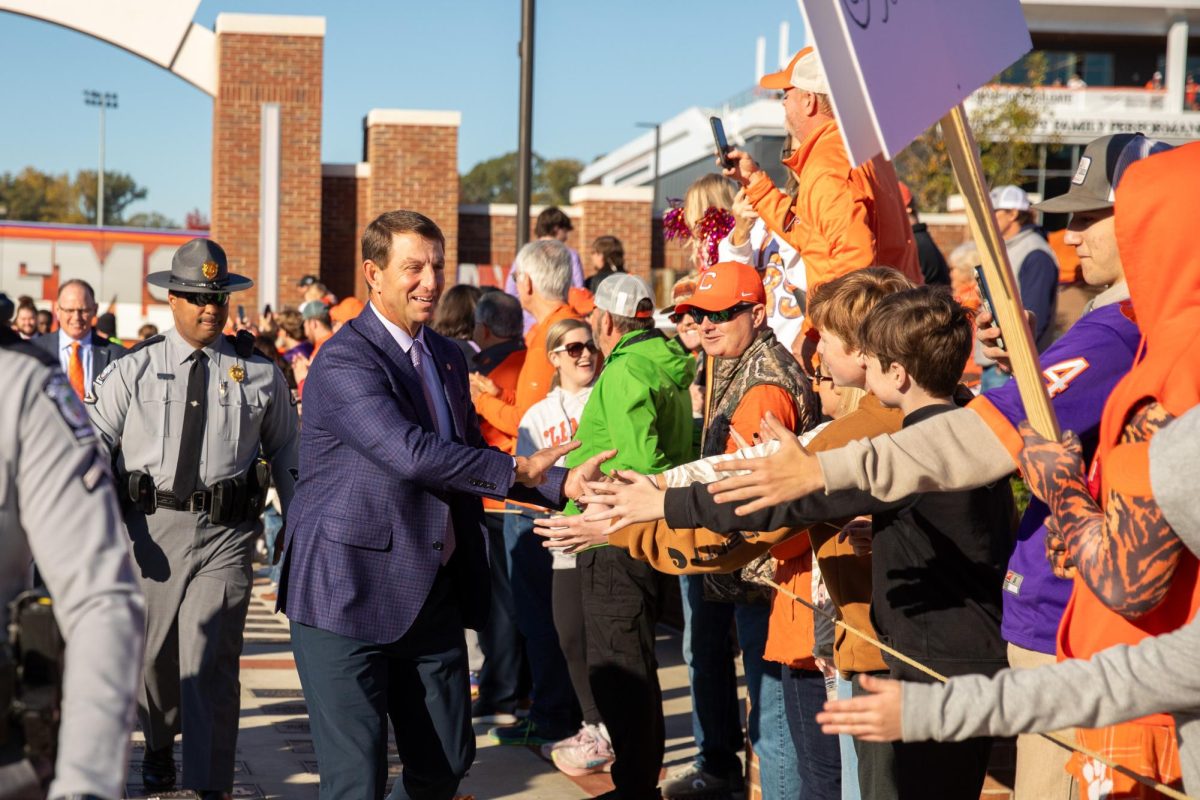
Clemson has had to adjust in all of its major sports. Head football coach Dabo Swinney has held a widely criticized view that values loyalty above all else. What started as avoidance has turned into reluctant, moderate use, adding 10 players through the portal in the most recent cycle.
Like Swinney, baseball head coach Erik Bakich has valued loyalty in his program. That trait is hard to come by in the modern landscape, particularly in the NIL era, where an offer means nothing without a check to accommodate it.
“This might be right, wrong or indifferent,” Bakich said, “but I just refuse to give a new player more money who hasn’t poured one ounce of blood, sweat or tears into the program, hasn’t played one pitch of Clemson baseball.”
For many who bleed orange, there is “something in these hills” that attracts athletes to the University. For the modern-day athlete in the transfer portal, however, unless that something is a blank check, it doesn’t matter.
We now live in an age in which the very tradition that made Clemson and many other historic athletic programs so prized has been corrupted. Without the core attributes of loyalty, pride and competition, the college athletic scene cannot be the same.
Former Florida quarterback Tim Tebow, who would have likely been able to profit more than anyone in history had NIL and the transfer portal been around, has been repeatedly outspoken about how these issues upend the core of collegiate athletics.
“It changes what’s special about college football,” Tebow said. “The stadiums are bigger in college than they are in the NFL. Because it’s about your team, it’s about your university.
“It’s about where my family wanted to go,” he continued. “It’s about where my grandfather had a dream of seeing Florida win an SEC championship. And you’re taking that away so that young kids can earn a dollar, and that’s just not where I feel like college football needs to go.”
College sports are about core values and traditions that simply cannot coexist with the current environment of transfers and paychecks. Maybe it can be solved by some executive order or a new set of rules. Or maybe it can’t, and Pandora’s box has been opened, changing college athletics forever.