
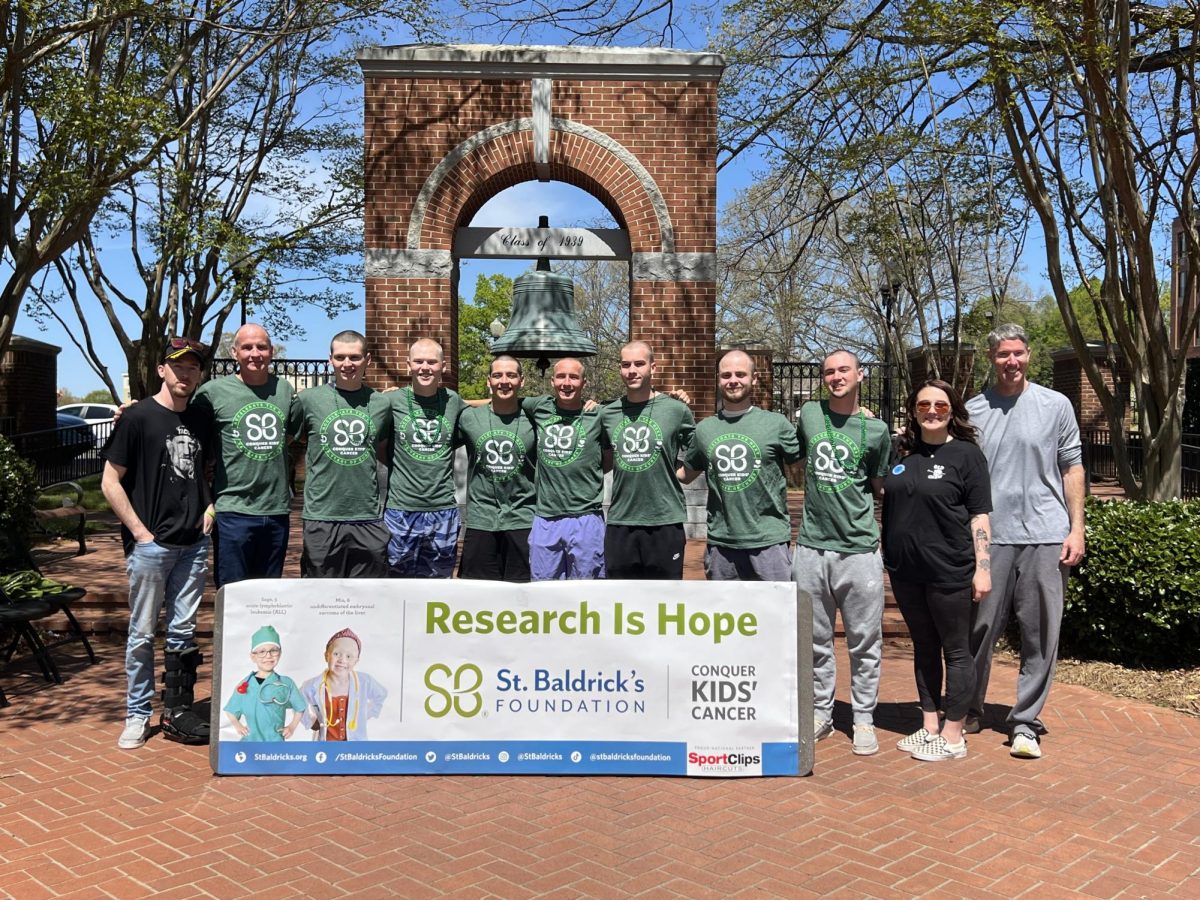
At noon this Sunday, the St. Baldrick’s Foundation, a nationwide, volunteer-driven effort, is returning to Clemson’s The Esso Club for its second year, promoting awareness of childhood cancer.
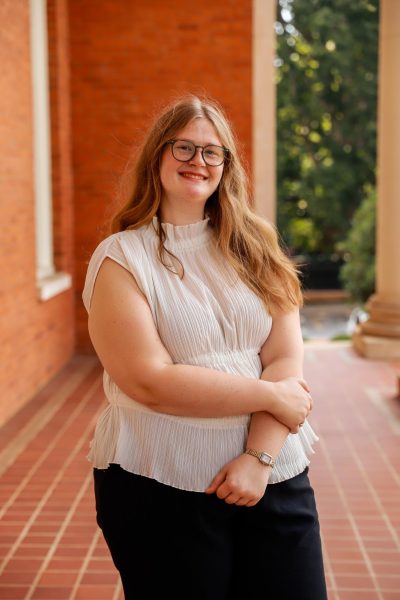
Eric Selquist, a junior finance and marketing student, serves as the founder and lead organizer for the St. Baldrick’s event in Clemson, bringing the impactful tradition from his hometown to the University.
Selquist has participated in the fundraiser since he was seven years old, watching the fundraiser grow from a family cause to a community-wide effort. Now in his 14th year of shaving his head, he continues to support the cause here at Clemson.
When he arrived in Clemson, Selquist noticed there was no St. Baldrick’s event to join, so he created one. However, starting the event as a freshman was no easy feat.
“The first year starting it was definitely interesting,” he said.
For a student who had just come to campus, one of the biggest obstacles was building awareness of an entirely new event.
“The biggest difficulty was just raising awareness for something that hasn’t ever been done on this campus in a big way,” he said. “And for an event that involves a lot of people taking a major risk and being willing to put themselves out there, it was very difficult.”
Selquist discovered that working with on-campus organizations was essential. Delta Sigma Pi played a vital role in this in its inaugural year. This year, Selquist has expanded partnerships to increase visibility and participation.
Selquist has also shifted the event to a more community-oriented focus, moving it to an off-campus venue, The Esso Club, and opening the event to a broader audience.
This event is meant to reach the entire community, since many people have been affected by cancer in some way. As Selquist shared, it’s “definitely an event that wants to be spread … focused on really being open to the community as a whole,” especially because “so many people have been either affected directly” or know someone who has.
Beyond fundraising, it also focuses on “raising awareness for childhood cancer overall and how it reaches so many people,” Selquist said.
He shared that one of the most meaningful parts of the event is the act of shaving your head, which he called “one of the most powerful things,” allowing participants to think about the battles others face while their hair grows back. They also stand “with the people that are battling with cancer … (who) don’t have the choice” to go bald.
“So many people on campus have been either affected directly by having had cancer in the past, or, you know, related to someone, or know a friend, who has had gone through this battle,” Selquist said. “And I think the biggest thing is trying to go beyond just spreading, raising money for donations for cancers as a whole, but also the event does a good job of raising awareness for childhood cancer.”
The event will take place on April 12, marking the event’s 25th anniversary nationwide. In its 25-year run, the St. Baldrick’s Foundation has seen the five-year survival rate for childhood cancer rise from 79% to 85%.
Participants, known as “shavies,” raise money through individual donation pages, with all proceeds supporting childhood cancer research. Donations can also be made directly to the event.
So far, Selquist and other shavies have raised more than $4,000 for the cause, with hopes of reaching $50,000 by Sunday. To register or volunteer, visit the event page online.