
Clemson football’s former athletic director, Dan Radakovich, departed for the same position at his alma mater, the University of Miami, in 2021. The move went under the radar, despite Radakovich being an integral part of Clemson’s football success in the 2010s.
He oversaw staff hires, facility upgrades and helped develop a strong culture across the athletic department. However, when he left, Clemson’s football team was still piecing together solid seasons, national championship wins were recent and the football program seemed stable.
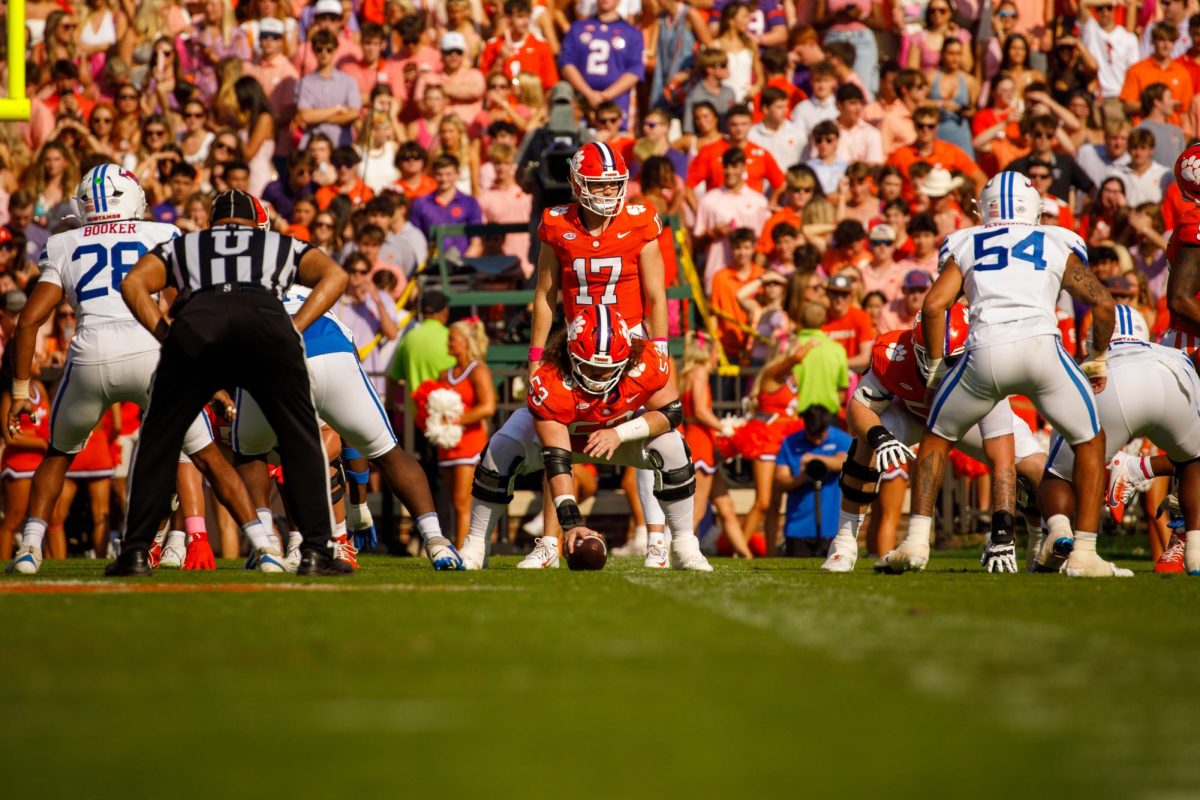
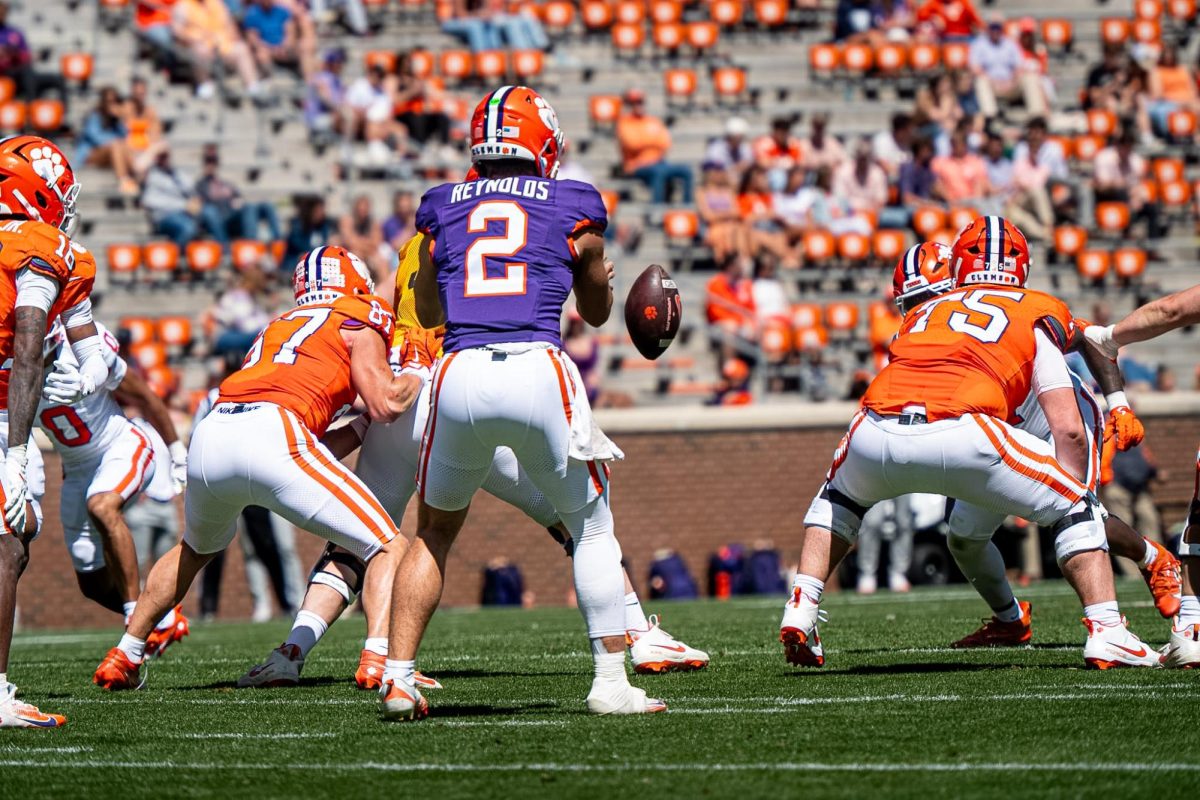
Fast forward a few years, and the Tigers are a middle-of-the-pack ACC team, while the Hurricanes are back to national relevance, making their first national championship appearance in over 20 years.
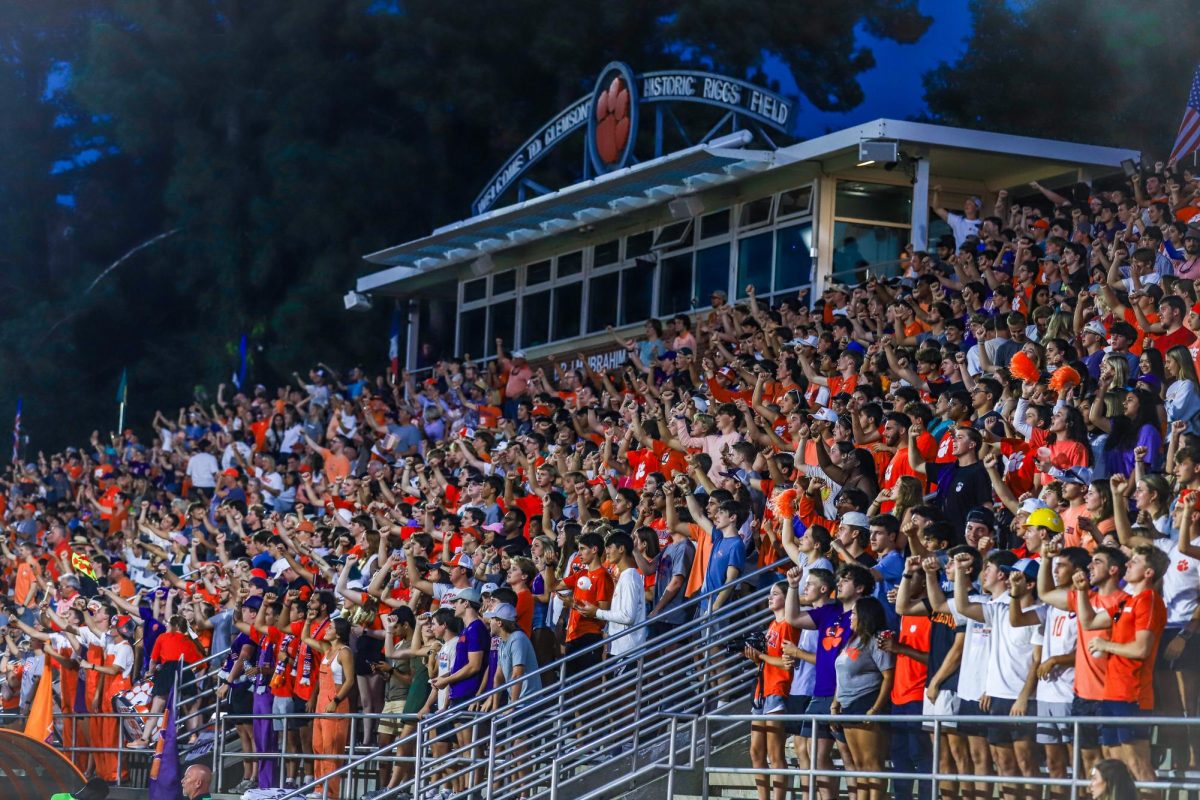
Clemson athletics are still thriving. In a CNBC poll, Clemson ranked 18th among athletic programs, second in the ACC, just behind Notre Dame.
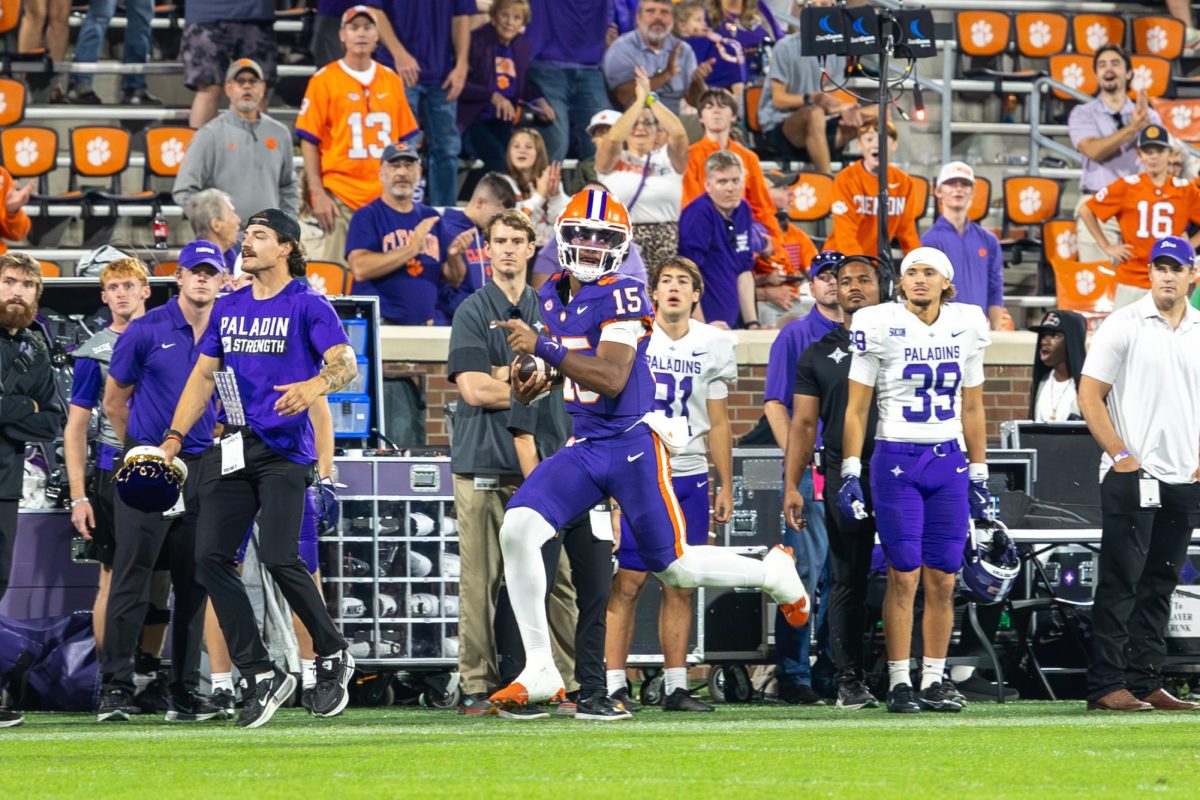
Graham Neff, Clemson’s current athletic director, has done a phenomenal job running the department, achieving success in various sports like basketball, baseball, soccer and more. The football team has still had great seasons, winning multiple ACC championships and making the inaugural 12-team playoff. This is certainly not an athletic department in decline.
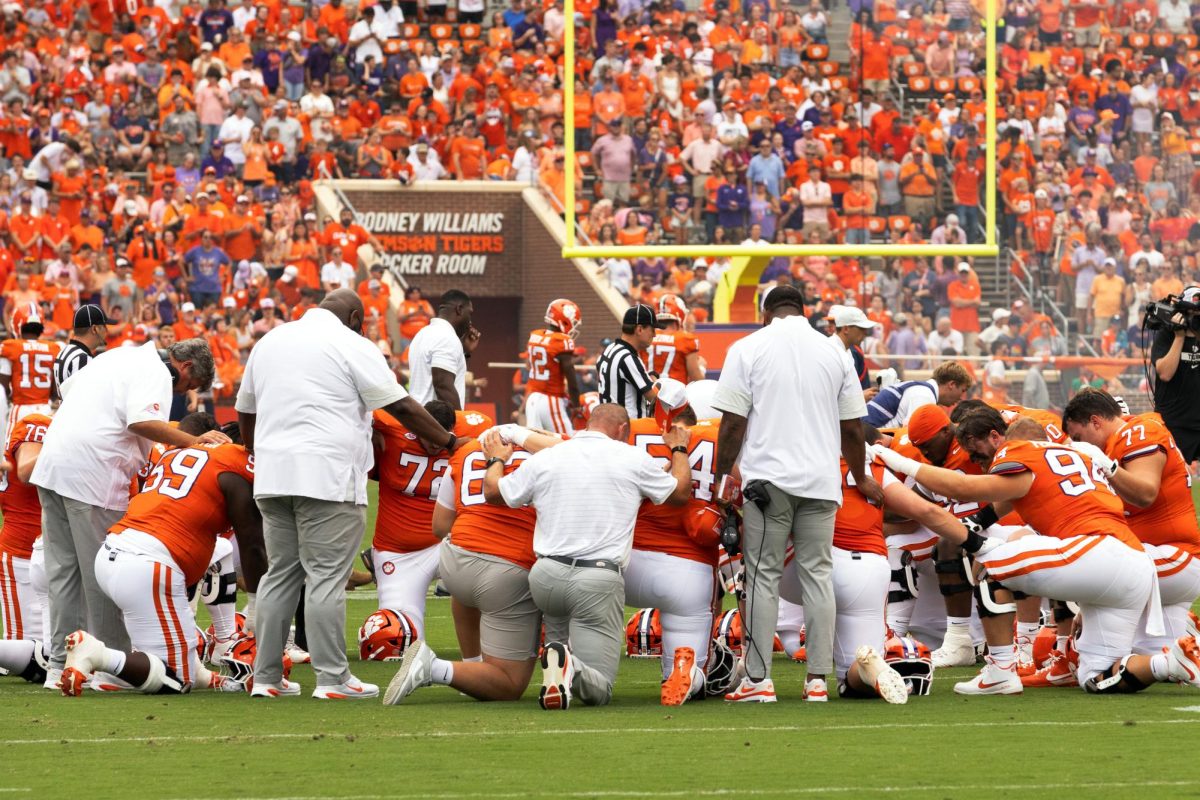
However, the impact of football on the Clemson community is simply different. The expectations will be high regardless of preseason predictions.
On July 1, 2021, the college football landscape drastically changed, as it marked the official start of the NIL era.
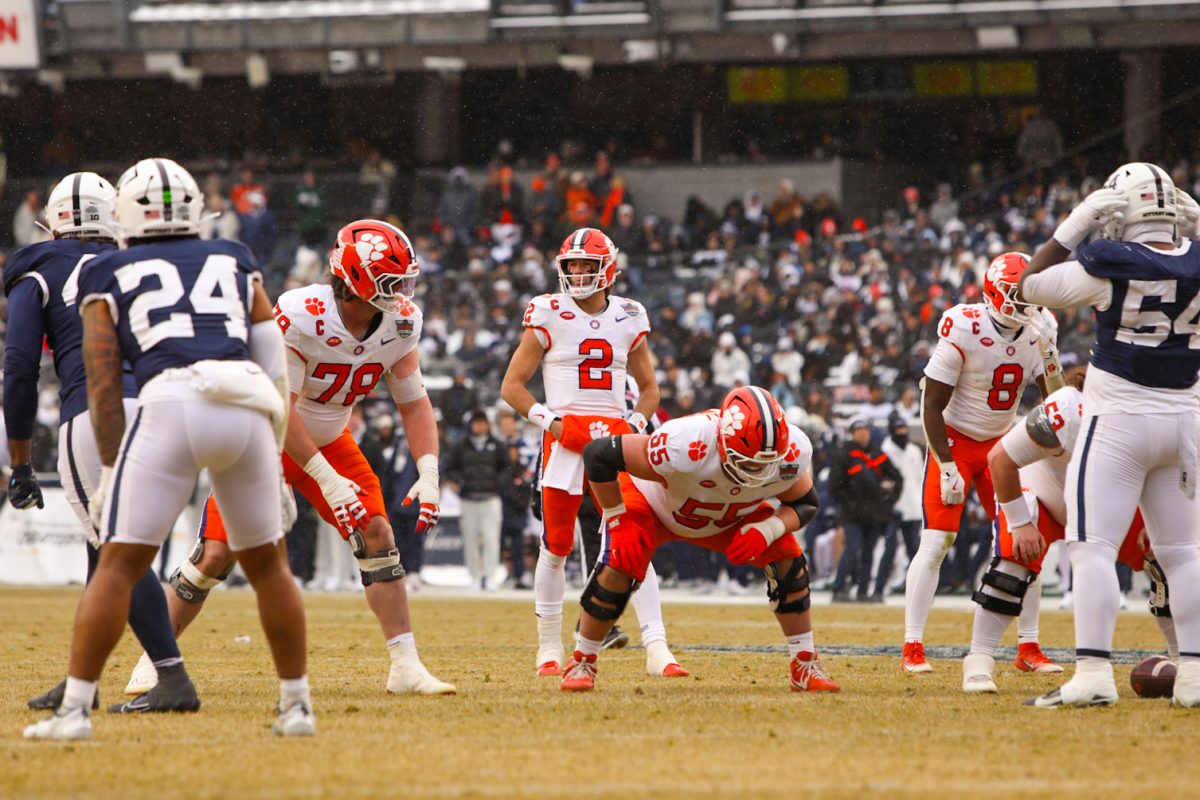
During the first couple of years, Clemson remained steady while the rest of the college football world accelerated. Many programs recognized the importance of adapting quickly. Clemson’s stability quickly became stagnant. The NIL era not only requires the necessary funding to succeed, but it also needs the athletic department and coaching staff to be on the same page.
One program that most notably took advantage of the change was the University of Miami. Radakovich arrived at Miami during this transition, along with head coach Mario Cristobal, and they immediately changed the culture around football. Miami began to prioritize investments in the football program as they tried to bring “The U” back.
The NIL era rewards coordination between coaching staffs and athletic departments that prioritize administrative clarity rather than tradition. Clemson’s cautious approach to that transition has left the Tigers behind in a volatile landscape.
Miami’s recent success is the perfect blueprint for how coordinated actions within an athletic department can significantly alter a program’s trajectory.
Radakovich had a clear goal once he arrived in Coral Gables, Florida. Take advantage of the changes occurring in collegiate sports and bolster funding for athletics. In the 2024-25 year, Miami received $36.4 million in donations from over 7,000 donors, the second-highest annual total in the school’s history.
With the increase in funding, Radakovich and Cristobal capitalized by dominating transfer portal recruiting, maximizing player exposure and reviving a vibrant football culture that holds heavy value in South Florida.
Clemson’s strategy differed from Miami’s quick adaptation. The Tigers valued tradition and culture rather than an aggressive approach. While tradition helps maintain a program’s identity, it also slows down its ability to take advantage of growth opportunities.
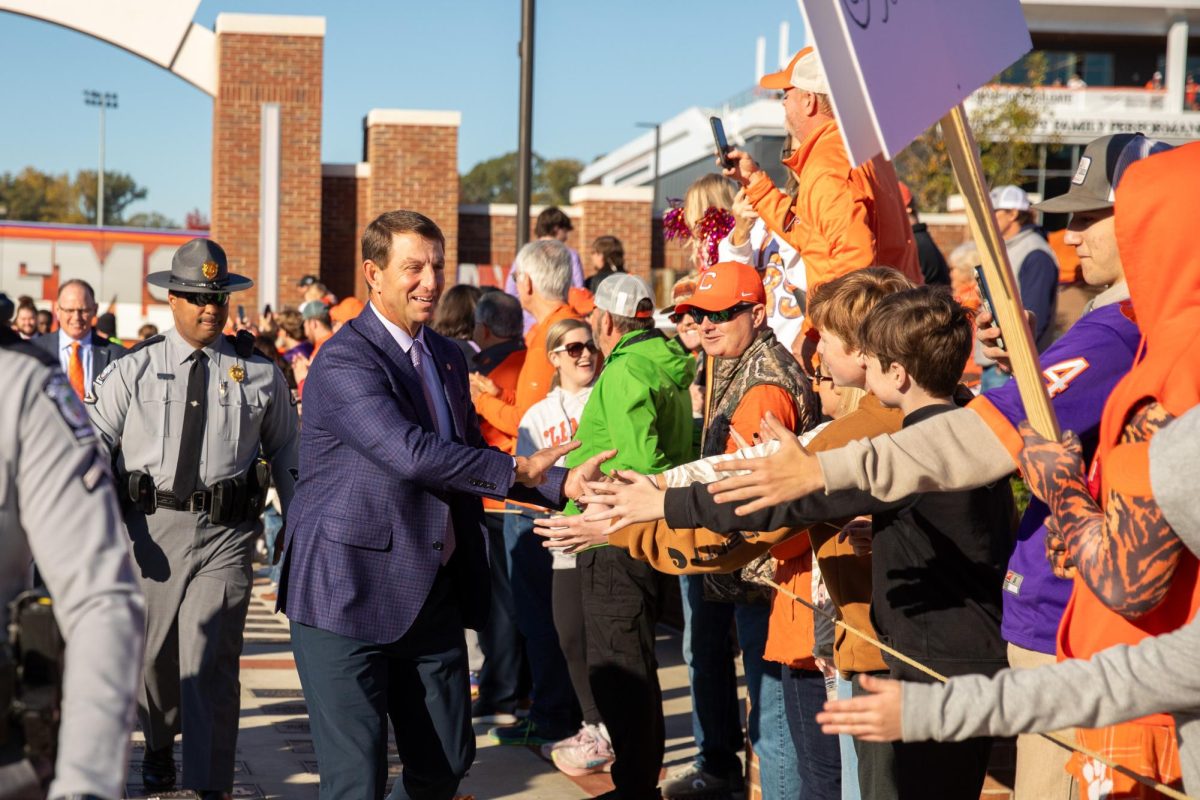
Dabo Swinney began to adjust to the modern NIL landscape in 2024. He started by acquiring a couple of players to fill necessary gaps in the roster, but was slow to adapt to Clemson’s resources. The transfer portal is not only beneficial for plugging gaps in the roster, but also for adding both depth and possible future starters.
In the current transfer portal cycle, Swinney has become more aggressive, with a clear focus on gaining depth rather than signing a few players.
It’s become evident that the culture-first approach means Clemson must run to keep pace with other prominent programs. An example is the Luke Ferrelli saga, where Ole Miss ultimately outbid Clemson.
Clemson lags behind teams because of the program’s hesitation to embrace change. Programs such as Miami illustrate how adaptation can propel a program up the college football ladder.
Clemson football is still in a much better state than the majority of the college football field. The program has the necessary resources to recalibrate and create a new foundation for the future.
Other schools were able to adjust to the changing landscape and rapidly climb to the top of college football. The Tigers’ tradition-centered philosophy will provide long-term stability, but the next challenge they will face is how to maintain their identity while returning to prominence in a chaotic environment.