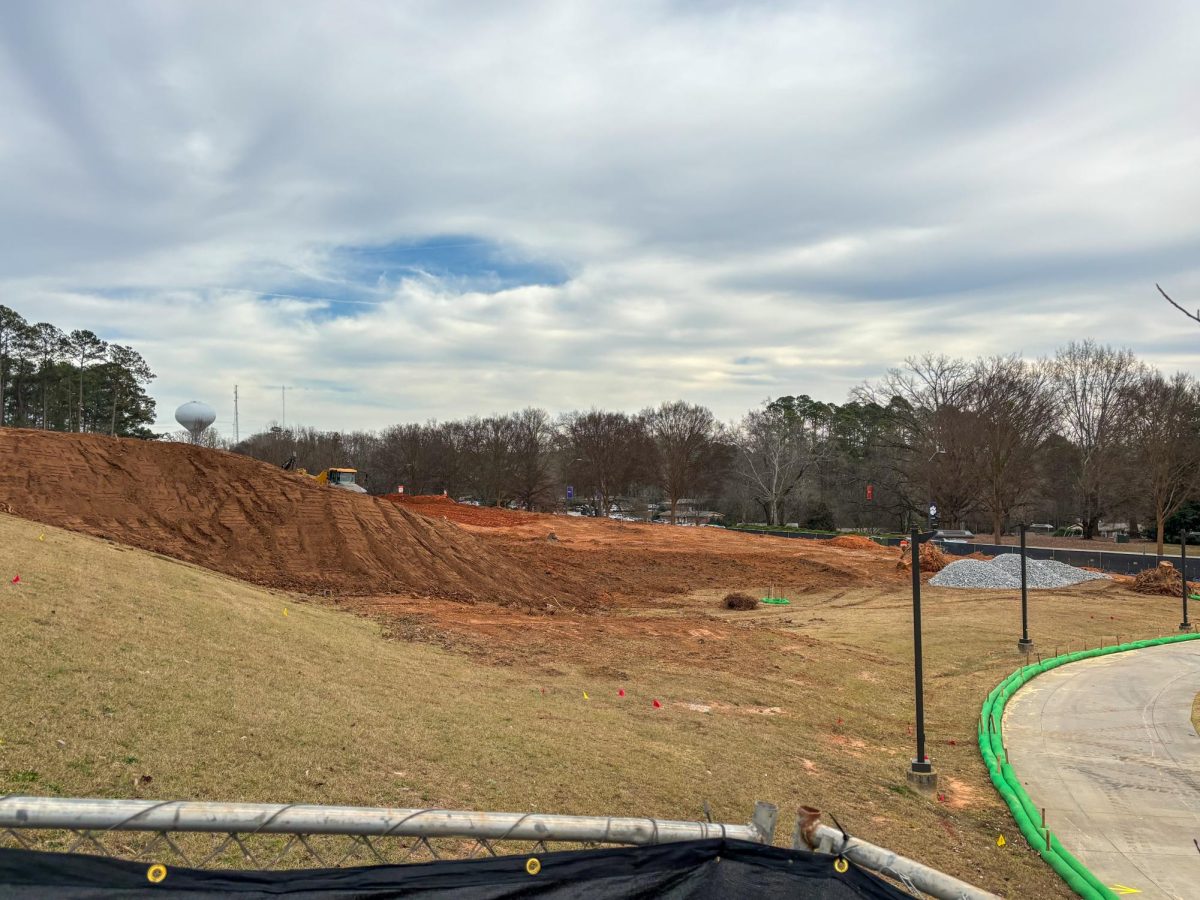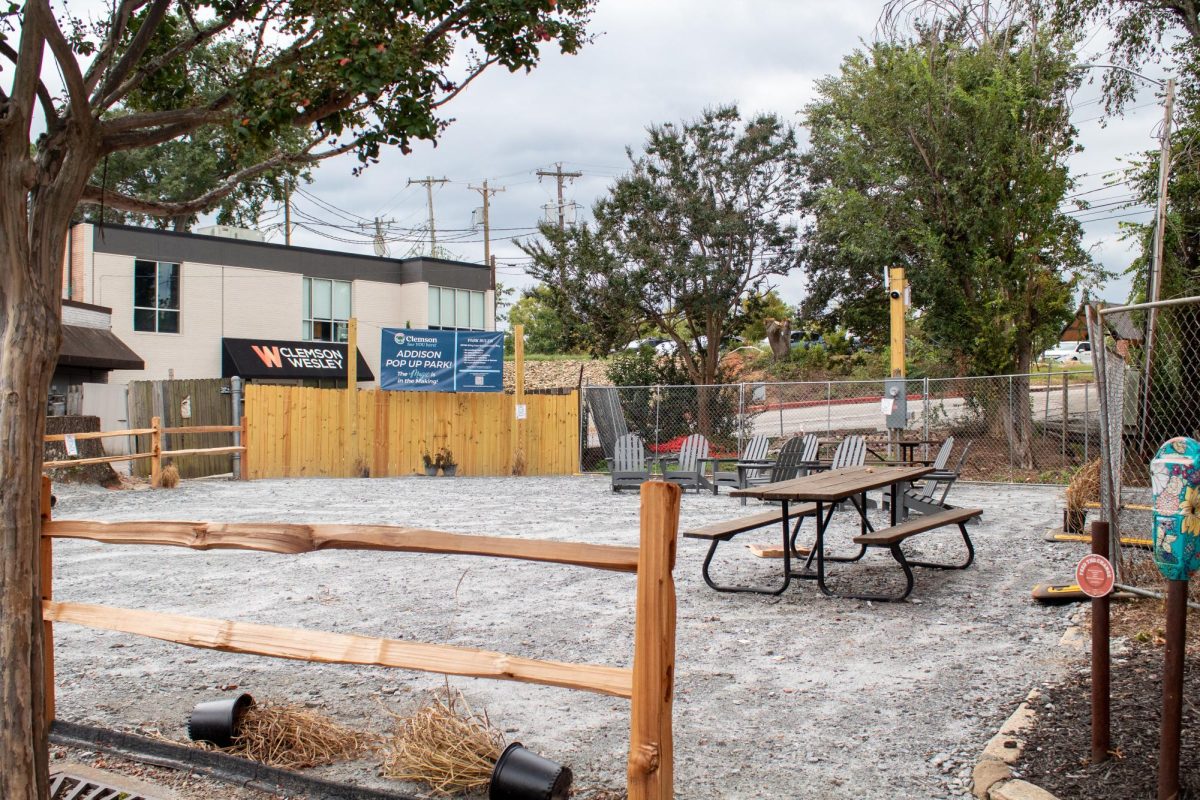


In late March, the city of Clemson broke ground on a downtown construction project that will impact roadways, pedestrian safety and the local aesthetic.
The aim of the Downtown College Avenue Streetscape Plan is to make downtown Clemson safer, more walkable and more vibrant, according to the city’s website.
After completion, there will be wider sidewalks, shared bicycle and vehicle lanes, American with Disabilities Act-compliant stamped concrete and more.
“I’m very sad to see the iconic orange brick cobblestones go—they feel like such a characteristic part of the Clemson downtown architectural identity,” Owen Branch, a senior mechanical engineering major, told The Tiger.
One of the most noticeable impacts the project will have is the reversal of Sloan Street’s one-way section.
“I liked the way Sloan Street was before. It was convenient,” Cristina Geberth, a sophomore criminal justice major said. “If any of this can help with traffic, then it’s a good idea, but I feel downtown is already nice as is.”
The city is also improving downtown greenery by increasing the total number of trees, improving spacing, installing protective measures and replacing the existing crepe myrtle and birch trees with other varieties.
These small changes “might not be something where people realize today, but they will be beneficial in the future,” Nathan Hinkle, city engineer, told The Tiger in an interview.
The project is currently in Phase 1, which focuses on the downtown section from Highway 93 to Sloan Street.
As of April 13, the city reports that it has removed trees, replaced the Sloan Street parking and islands and reopened the roadway with a reversed traffic pattern.
Recently, the focus has shifted to Tiger Town Plaza, where a sidewalk pour is scheduled for April 24.
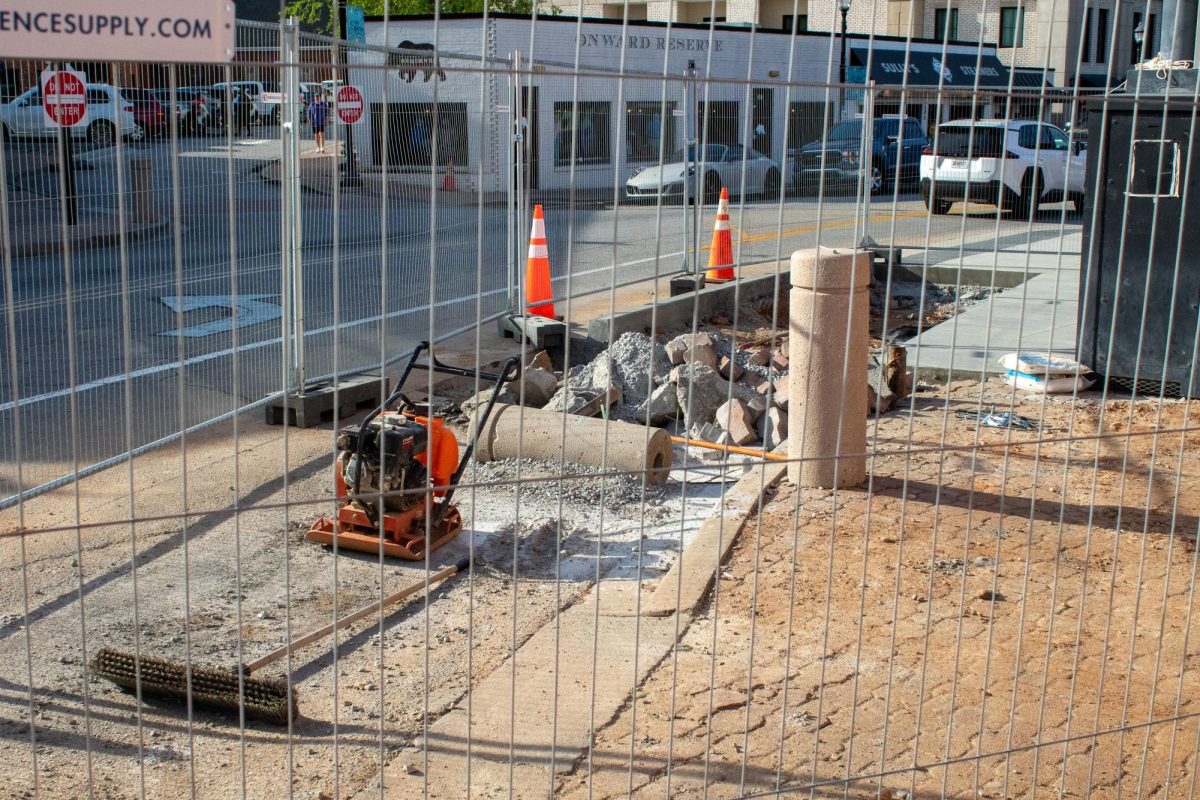
Throughout the process, lane closures may be necessary, according to the city’s website.
Phase 1 of the project is scheduled to wrap up by August 15, and the completion of all four phases is expected within the next 10 years.
“I’m glad they are planning on doing it over the summer since it will be nice when we all come back next semester,” Aidan Devine, a sophomore mechanical engineering major, shared with The Tiger.
Hinkle noted that the city has made efforts to improve parking over the past few years.
Through the project, the number of downtown parking spots will increase to 300 by 2028. This project costs $3.3 million and is supported by $750,000 from the Appalachian Regional Commission grant, $1.2 million from hospitality funds, $1 million from bond proceeds and $450,000 from impact fees.