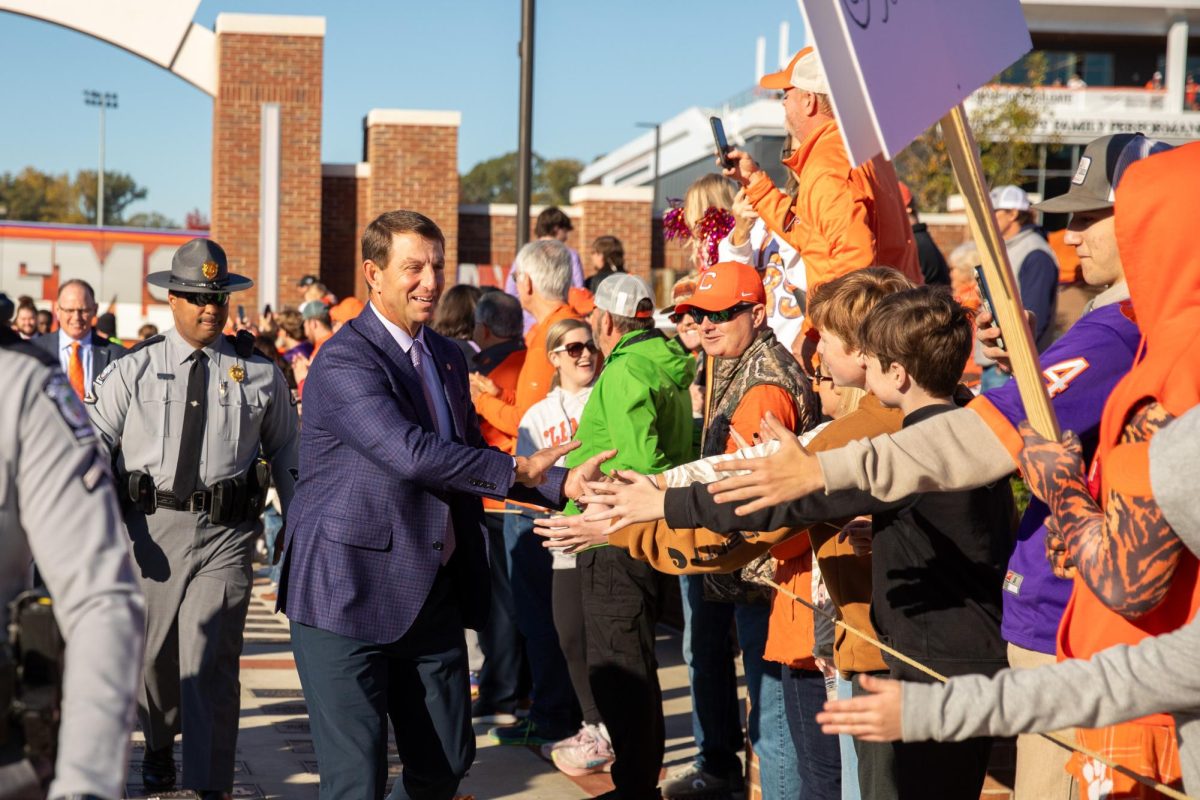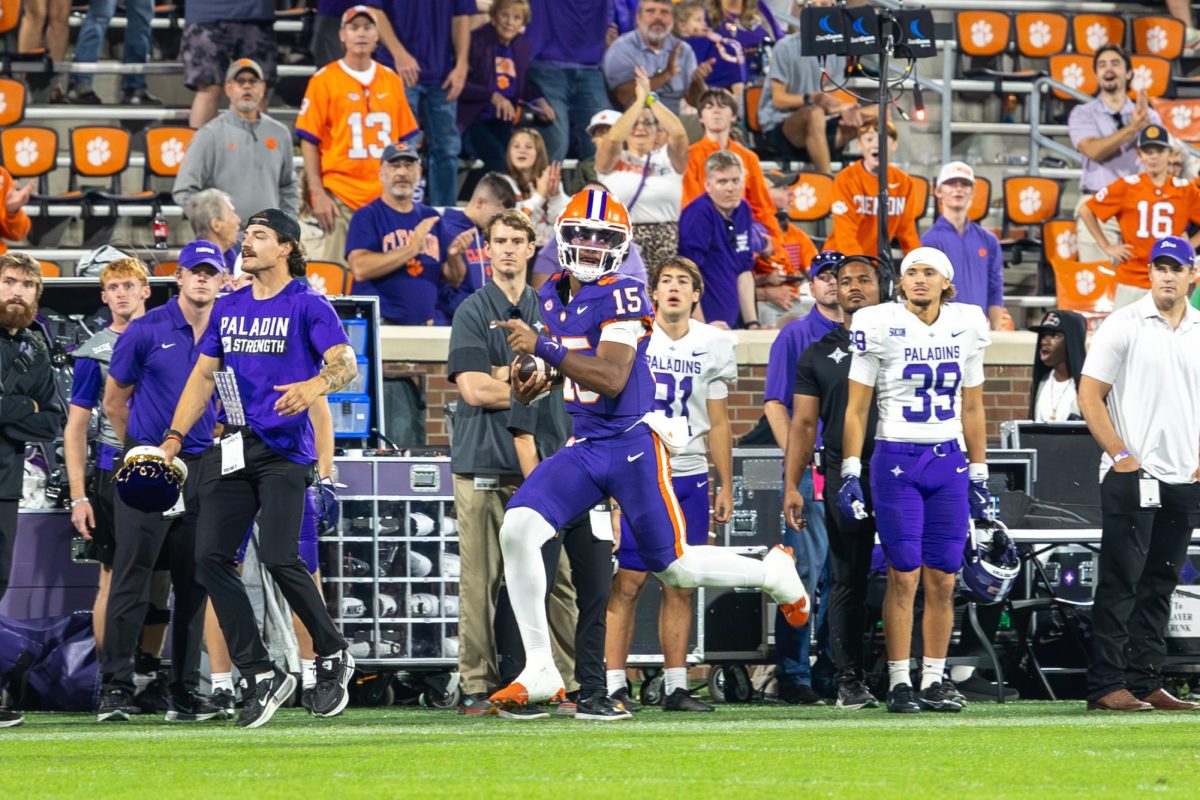


Head coach Dabo Swinney and Clemson football have been active early and often in the NIL-supported transfer portal. With 10 key signings so far, the Tigers are sending a clear message: Clemson is no longer sitting on the sidelines of the modern college football landscape.
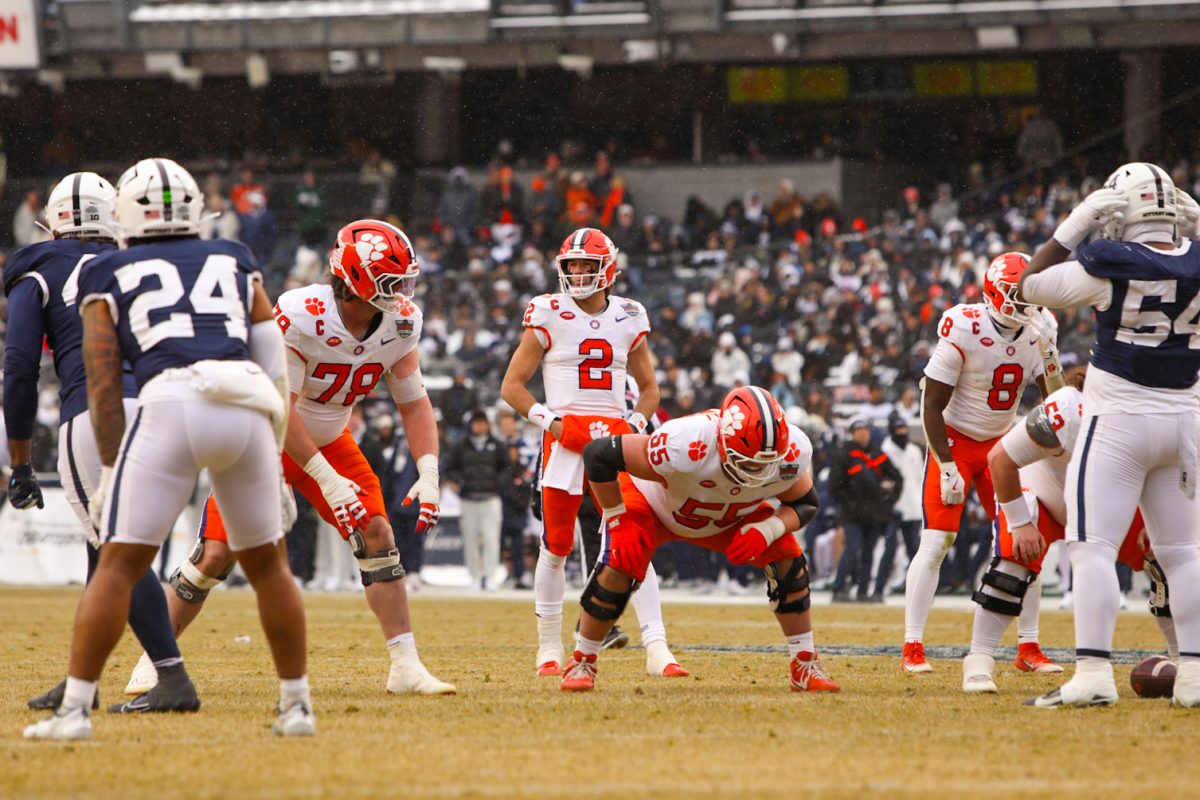
Since it became trendy to hit the portal hard, Clemson was recognized as one of the most portal-reluctant programs in all of college football. Swinney often emphasized internal growth and traditional high school recruiting, resisting the heavy reliance on the portal that fueled many Power Five teams. This approach paid dividends with national championships and sustained success from 2015 through the early 2020s. But after a disappointing 7-6 finish in 2025 — including a Pinstripe Bowl loss — Swinney’s reluctance changed. He recognized that a more aggressive portal strategy was necessary to keep Clemson competitive in a shifting college football environment where NIL and player movement define roster construction.
The result so far in the 2026 offseason has been a calculated infusion of experienced talent, designed to fill immediate needs and fortify depth. Instead of chasing “name value,” Clemson’s portal approach has prioritized players who can bring instant production, scheme familiarity and potential starting roles.
Here’s a look at the 10 key portal additions Clemson has secured so far:
In the secondary, Elliott Washington II arrives with Power Five experience, along with familiarity with defensive coordinator Tom Allen’s system during his time at Penn State. Washington recorded 18 tackles, one interception and four pass breakups in 2025 for the Nittany Lions. The defensive backs’ length and coverage ability position him as a top contender for early playing time.
Transfer safety Jerome Carter recorded six interceptions this season — tied for second in the nation — along with 76 tackles and 2.5 tackles for loss for Old Dominion University.
Corey Myrick, a University of Southern Mississippi transfer, adds range and physicality to the safety room and looks to start immediately.
Incoming sophomore and Mr. Football winner in Tennessee, Donovan Starr appeared in nine games in 2025 for Auburn University, primarily on special teams and in reserve roles. The former four-star recruit rounds out the cornerback room and provides upside and SEC-tested depth at the nickelback position.
At linebacker, Luke Ferrelli made an immediate impact at the University of California, Berkeley, and fills a key need after emerging as one of the Golden Bears’ most productive defenders. The 2025 ACC Defensive Rookie of the Year brings sideline-to-sideline speed and tackling consistency, adding athleticism to Clemson’s second level amid the departure of standout linebacker Wade Woodaz. Ferelli will set up alongside Clemson’s 2025 season leading tackler, Sammy Brown, to anchor a fast, physical linebacker unit capable of maintaining Clemson’s defensive standard while elevating its range and depth in the middle of the field.
Clemson also reinforced the defensive front as it saw multiple players in key roles depart. Adding defensive tackles Markus Strong from Oklahoma, who brings Power Five experience to the interior, and Kourtney Kelly, who brings size and developmental upside after dominating for West Georgia at the Division II level.
On the edge, Colorado transfer London Merritt joins an already dangerous pass rush, aiming to cause disruption in 2026. Joining him is C.J. Wesley, a fifth-year Howard transfer who recorded five sacks last season.
While the portal focus has leaned in the defensive direction, Clemson made a notable offensive addition with running back Chris Johnson Jr., moving to the East Coast from another ACC school, SMU. His explosive, home run threat brings instant juice to the Tigers’ backfield, adding a dynamic playmaking element that can stress defenses both between the tackles and in space. His presence stabilizes the running back room, adds competition and gives Clemson flexibility as coaches work to balance workloads throughout the season.
However, offensively for the Tigers, the most significant change comes on the sideline. On Jan. 5, the team announced that Chad Morris would be returning to Death Valley for his second stint as the team’s offensive coordinator. Replacing Garrett Riley, Morris’s familiar offensive architect, helped elevate the Tigers’ offense from 2011 through the end of the 2014 season. During his time as the team’s primary playcaller, Clemson compiled a 41-11 record, recording a 27-6 mark against ACC opponents, including a victory in the 2011 ACC Championship game. His earlier tenure coincided with Clemson’s rise to national relevance through a system built on tempo, spacing and quarterback development.
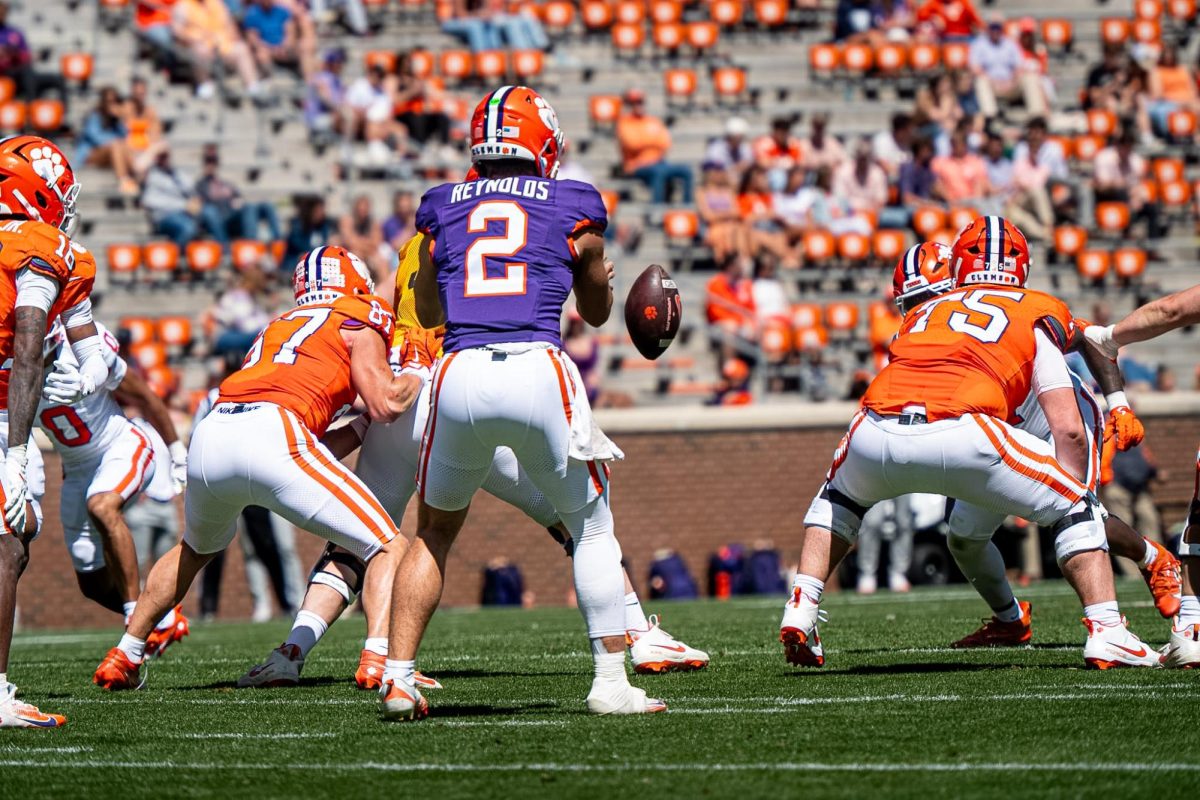
Following the team’s inconsistent offense in 2025, the hire aims to reestablish identity and cohesion. Morris brings a system that emphasizes versatility, particularly at the running back position, making the addition of Johnson Jr. a perfect fit.
As the season approaches, expectations in Death Valley remain high while the ACC simultaneously grows more competitive. Clemson’s path forward demands both adaptivity and consistency. The Tigers’ portal additions will not define this season on their own, but they will provide experience, depth and resilience — qualities that often separate contenders from pretenders.
This offseason proves that Clemson is evolving. By blending tradition with calculated change, Swinney and the Tigers are preparing not only to survive in the modern era of college football but to compete in it on their own terms.