
Are rosters the future of dating, or are they a continuation of the past?
You might hear the term “dating roster” in passing when you chat with a girlfriend or hang out in a social setting. Sometimes a “roster” is called other names, or sometimes its very existence is refuted. So, what even is a roster?
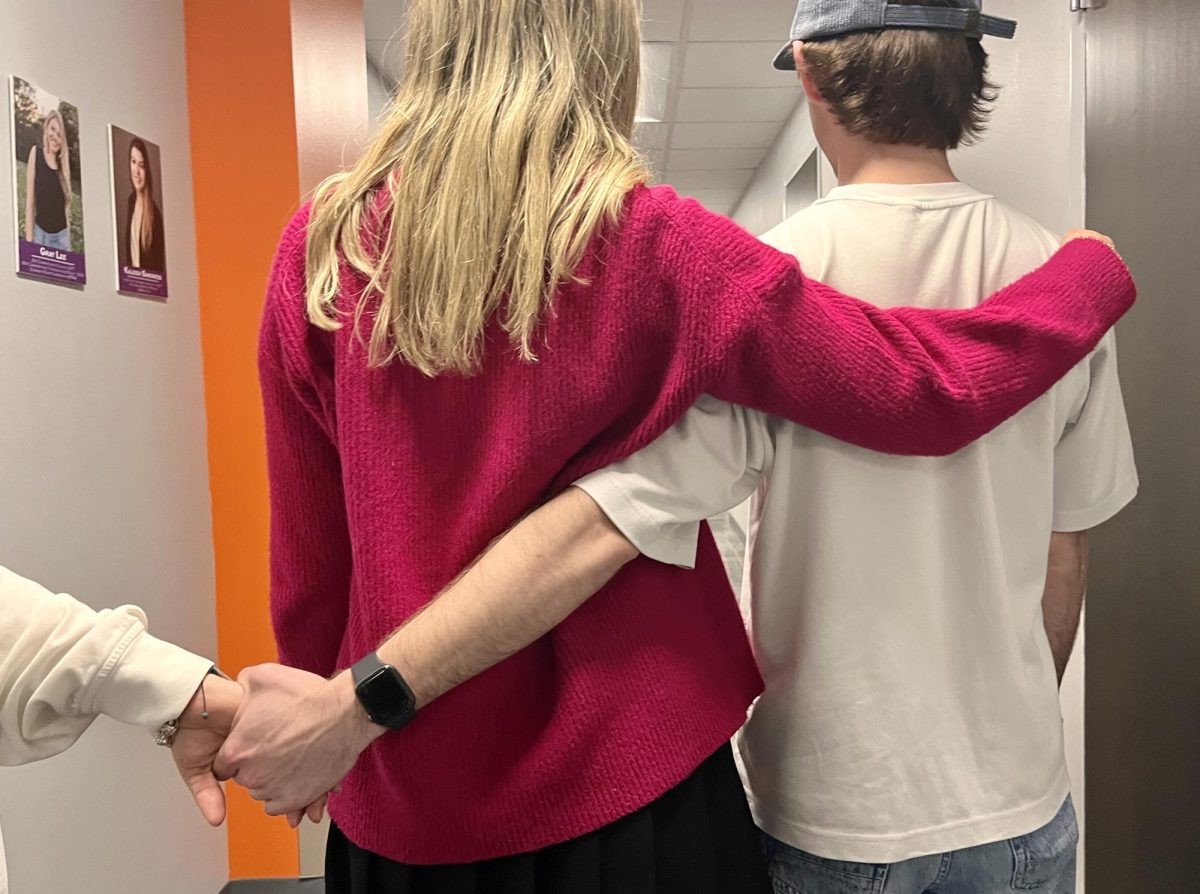
Certified dating coach Alison Wellington and journalist Marcus Pruitt describe a roster as a “list” or group of people that you’re currently seeing. Roster dating is considered to be a form of casual dating since participants are non-exclusive and seeing multiple people at the same time.
This phenomenon has also been characterized as “dating around” or “playing the field.” Historically, exploration outside of relationships was seen in exclusive matches with mistresses or concubines, mainly being focused on heterosexual partnerships with male freedom to be non-exclusive.
When I ask peers if they date for fun or for marriage, I’ve received a mix of responses, varying between “I only date so I can find my person” and “I just want to have fun.” I guess that’s where the variance in foundational understanding stems from: do you see dates as an activity or as an unoptional milestone achievement to find a partner?
Unless it’s an arranged marriage or a similar situation, not many people have to forgo the dating experience entirely, and only if you’re lucky do you get the right person on the first try. So seeing multiple people in your life span is normal; you find what works for you and what doesn’t.
Dating itself is an exploration of presented options and can be either exclusive or non-exclusive and over the course of time, it’s usually done with more than one partner. Rostering is about seeing people in overlapping segments of time, differing from classic dating patterns. Person A could be a dinner date, Person B could be a movie and then Person A could be a brunch the next day. A couple of peers have said that it can even be an “I’m in town” type of situation, seeing each other for convenience.
Rostering essentially means having a list of partners in a partially ranked system on demand. When I’ve asked people about the idea of being on someone’s on-call list, it’s met with negative reactions. Feelings associated with having people on call for your personal whims versus being on the list couldn’t be more polar opposite.
This disconnect ultimately leads me to believe that while having a go-to lineup of people is a power move, it is also a reminder of replaceability. Beyoncé mentions in her song “Irreplaceable” that “I could have another you in a minute / Matter of fact, he’ll be here in a minute.” This lyric embodies the very essence of having a lineup. The ease of replacement in these relationships can make attachment or attraction feel inauthentic from the jump.
On the other hand, is this the future? Social media and online presence, along with modern culture, has made people less empathetic while being more connected. Why shouldn’t dating reflect the current trends, as it always has? Maybe the concept of knowing what you want and replacing what doesn’t work is more efficient.
“Playing the field” isn’t a new term, but maybe it’s the smarter advice. When you’re young, it could be wise to date different types of people, have various experiences and try it all.
Life spans are longer today, and with less focus on marriage and children and more focus on personal goals and experience, this idea aligns more with modern society. The increasing acceptance of women’s rights, queer relationships and unconventional relationship structures leads to the ease of non-exclusive relations for all parties involved. The introduction of lower-stakes dating in the 1900s versus one-sided, non-exclusive marriages also makes this a more fascinating practice.
It’s not a new idea, but it certainly fits better with the modern environment and ideas.
Sarah Bandhauer is a sophomore food science major from Brevard, North Carolina. Sarah can be reached at [email protected].