
In the age of social media, have we become more desensitized? Are we bothered by less because we have become aware of so much more?
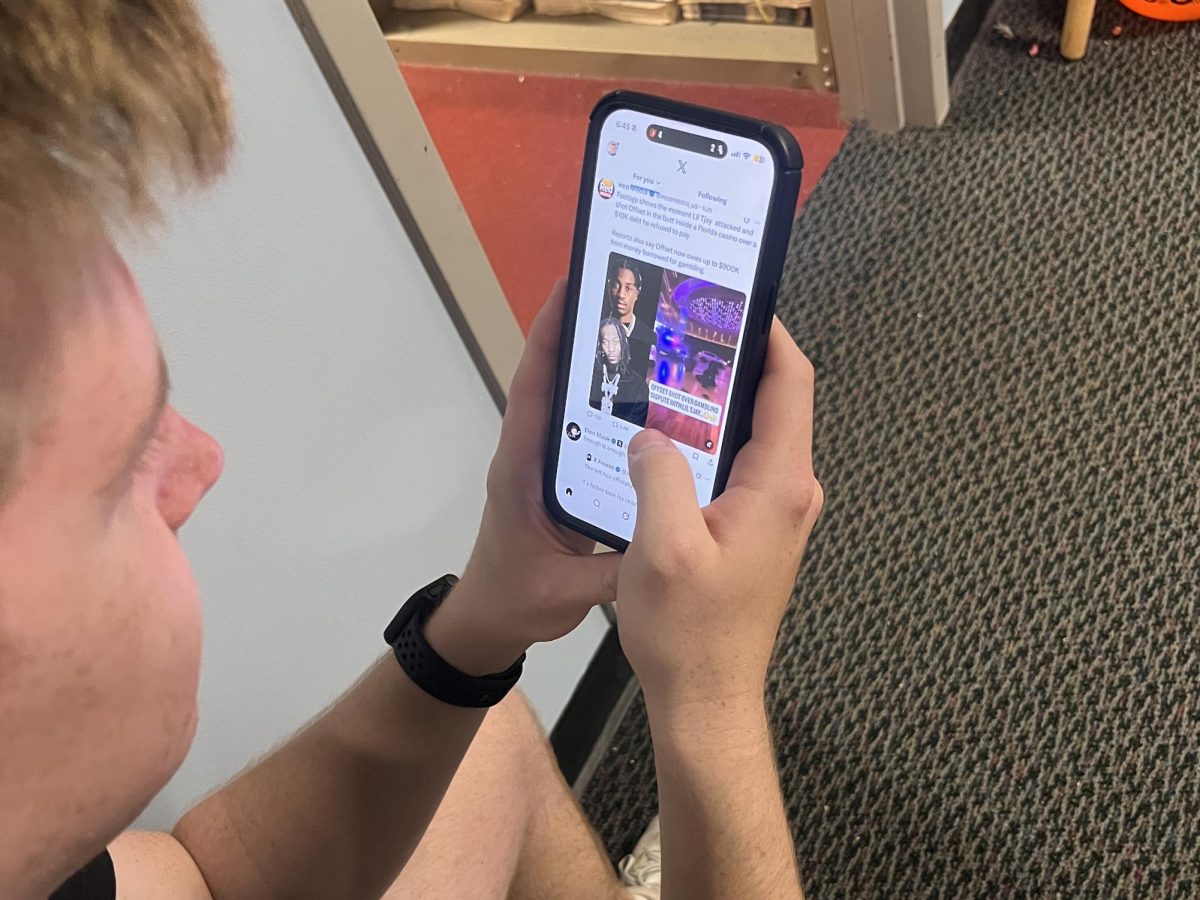
In the blink of an eye, when you’re scrolling through social media, you’re moving past a human rights protest, a car crash, a funny joke, an open missing persons case, a cute couple and a video of a half-censored crime.
Have you seen enough? Did you notice all of the crimes that you just witnessed? Did you care?
I’m no better than the next person. When I see crime or horrendous activities on my social media feed, I become a bystander. I do nothing, say nothing and assume it has been dealt with by some higher power or protection agency, hoping that the person responsible has been brought to justice and that the law has been applied. The most interesting thing is that some of the biggest crimes committed on social media right now go unpunished.
When major crime cases were uncovered in the past, shock and disgust were widespread among the general public. Something was done about it. The reaction to Ted Bundy, who murdered and sexually assaulted women in the 1970s, is a perfect example.
This caused outrage and still haunts women traveling anywhere. Whenever I suggest taking a solo trip anywhere in the area, I can hear my mother’s voice telling me to let someone know where I am all the time and to pack mace due to the effects of the Bundy case and others like it. While there is no solution and many copycats like Bundy still exist, there are at least small measures — like Life360 and a general distrust of anyone on the road — that have helped prevent large cases.
Then there is the issue of romanticizing violence in video games and bragging about it on social media. Each Fortnite kill or Call of Duty win doesn’t make people realize how much it affects their mindset.
“Evidence strongly suggests that exposure to violent video games is a causal risk factor for increased aggressive behavior, aggressive cognition, and aggressive affect and for decreased empathy and prosocial behavior,” according to a study published on APA PsychNet.
School shootings have fallen into this effect as well. When the first major school shootings happened, people largely reacted, tried to figure out how they had happened and how to prevent future ones. Then, desensitization became more widespread. These tragic events began to feel like just events to be referenced.
Students regularly joke about the quiet kid in the back of the class, social media shows a new school shooting about every month and pop culture seems to thrive amid all of it. For example, two of Marshall Mathers’ — also known as Eminem — songs, “I’m Back” and “Rap God,” explicitly mention the Columbine shooting. With those mentions, he financially benefits from the tragedy. That level of everyday exposure contributes to much of our desensitization.
A more timely example is the Charlie Kirk video games that have emerged following his recent death. Young children are so desensitized to violence that custom video games have been made on Roblox about Kirk’s assassination.
Children see so many of Kirk’s videos and jokes on social media that they think it’s okay to joke about them. Maybe it’s because social media has made people so disconnected that they don’t feel like real people with real lives, and that’s why these sorts of deaths don’t affect them as much. Maybe it’s the constant input of awful content pushed to children, or perhaps it’s a lot of these factors lumped together.
In psychology, the term coping mechanisms means that when someone undergoes trauma, they find a way to tolerate it. One common coping mechanism is humor, as people can joke about the trauma to help them cope.
I hear jokes all around me, and even make jokes myself, about situations that should not be a laughing matter. I see something horrendous on Instagram and make a joke about it, maybe as a way to cope with seeing it and being exposed to such violence. There’s no way to know whether it had any legitimate consequences for whoever posted it, but it’s these violent posts on social media that shape how we see the world around us and how we behave in it.
You become what you see.
Sarah Bandhauer is a sophomore food science major from Brevard, North Carolina. Sarah can be reached at [email protected].