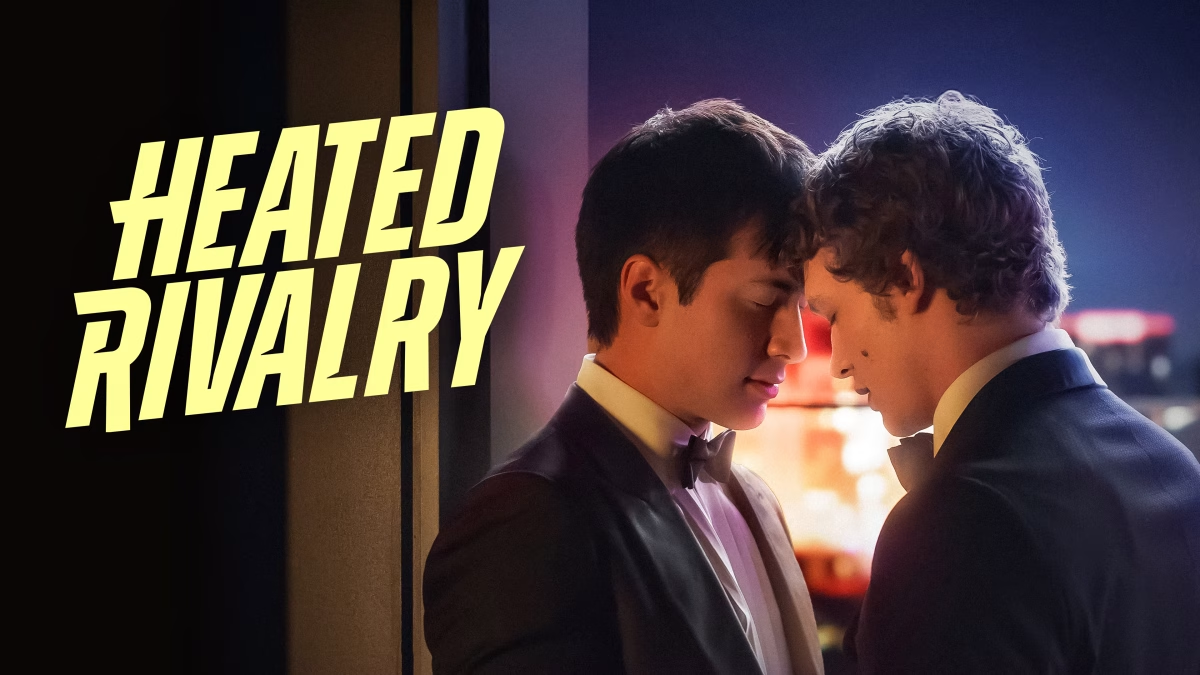
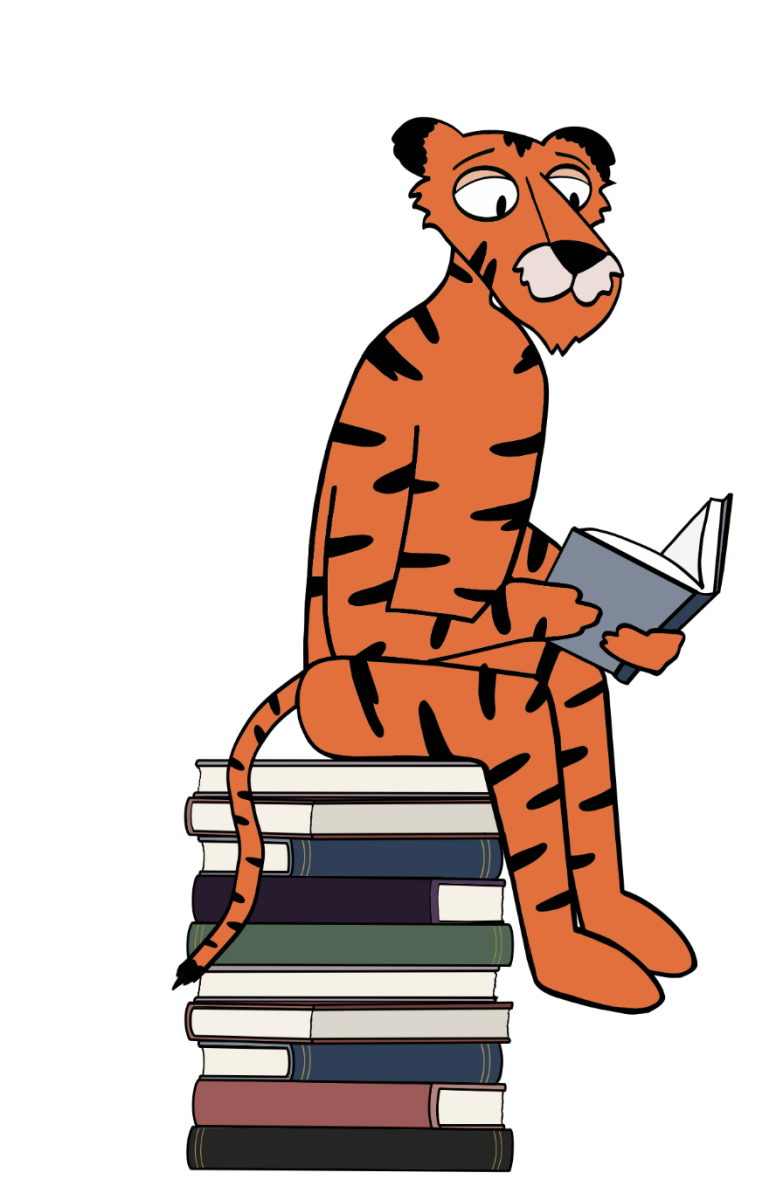
If you haven’t noticed already, books are increasingly being adapted into movies, becoming a dominant source of material for the film and television industry. There has been a noticeable rise in the number of book-to-movie adaptations released by major studios and streaming platforms, including Lionsgate and Netflix. This surge raises an important question: Why is this trend accelerating so rapidly right now?
One possible explanation is a growing lack of originality or a hesitation to invest in entirely new stories within the film industry. Adapting popular books could be considered a safer financial move in an industry that is driven by the pursuit of instant audience engagement. Movies adapted from books on average gross 53% more than original screenplays, which promoted the incentive to adapt a book to film, according to Adam Rowe from Forbes. Studios might also be trying to stay culturally relevant by relying on stories with dedicated fan bases, such as Colleen Hoover books or “The Summer I Turned Pretty.”
Groups on social media, such as #BookTok, have significantly influenced which books gain popularity, directly shaping the movie industry’s adaptation choices. This hashtag represents a niche community of book lovers on TikTok that gained momentum in early 2020 during the pandemic. Book lovers all over have been rapidly influencing the publishing industry, turning older titles into bestsellers; now, they are starting to shape filmmaking.
Post-pandemic media consumption has become faster-paced, with audiences constantly seeking new content to binge and move on from quickly. As a result, the time between a book’s release and its film adaptation has shortened dramatically. But even though they are more successful, they are not guaranteed to be higher in quality.
“The Housemaid” by Freida McFadden exemplifies this accelerated timeline, as it was published in 2022 and adapted into a film just four years later in 2025. As someone who read the book and watched the movie, I can attest that it was an accurate adaptation and was enjoyable to watch. However, I quickly noticed that its rapid adaptation represented how fast viral popularity can translate into film deals.
Similarly, Marvel’s decline following “Avengers: Endgame” illustrates the consequences of prioritizing quantity over quality under Disney’s expansion strategy. Kevin Feige spoke with Variety, explaining how Disney pushed Marvel to prioritize high-volume content, which made the Marvel Cinematic Universe feel less like an exclusive event and more underwhelming. Together, these examples suggest that current industry priorities favor speed, familiarity and profit over long-term creative, original development.
This trend invites debate over whether the rise in adaptations is ultimately beneficial or harmful to storytelling and raises concerns about what is gained versus what is lost when books are increasingly transformed into visual content. Our world has become dominated by screens and currently challenges the slower, more reflective art of reading. While adaptations can bring stories to new audiences, it is worth questioning whether every successful book truly needs a cinematic version.
Sarah Neighbor is a freshman biochemistry major from Columbus, Ohio. Sarah can be reached at [email protected].