


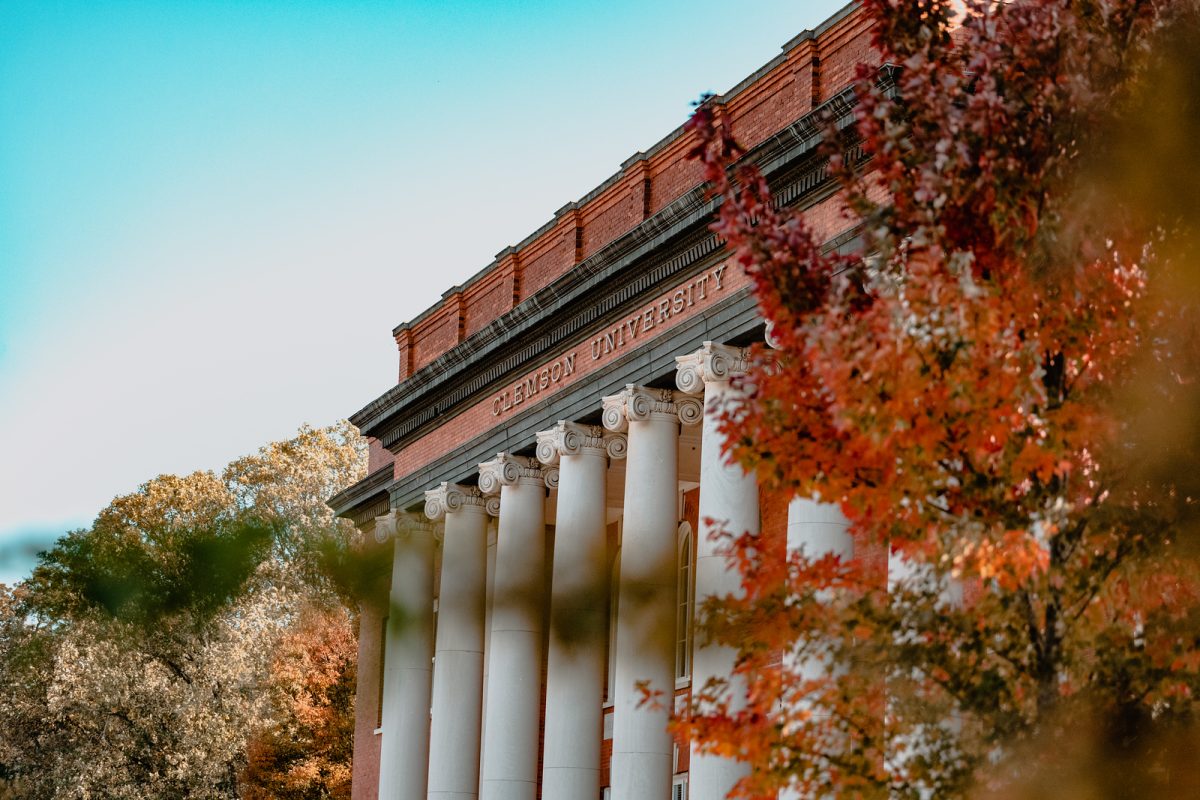
Four months ago, Dr. Joshua Bregy, Melvin Villaver and Robin Newberry were fired from Clemson University due to social media activity regarding Charlie Kirk following his fatal shooting in September 2025.
One former professor has since taken legal action against the University.
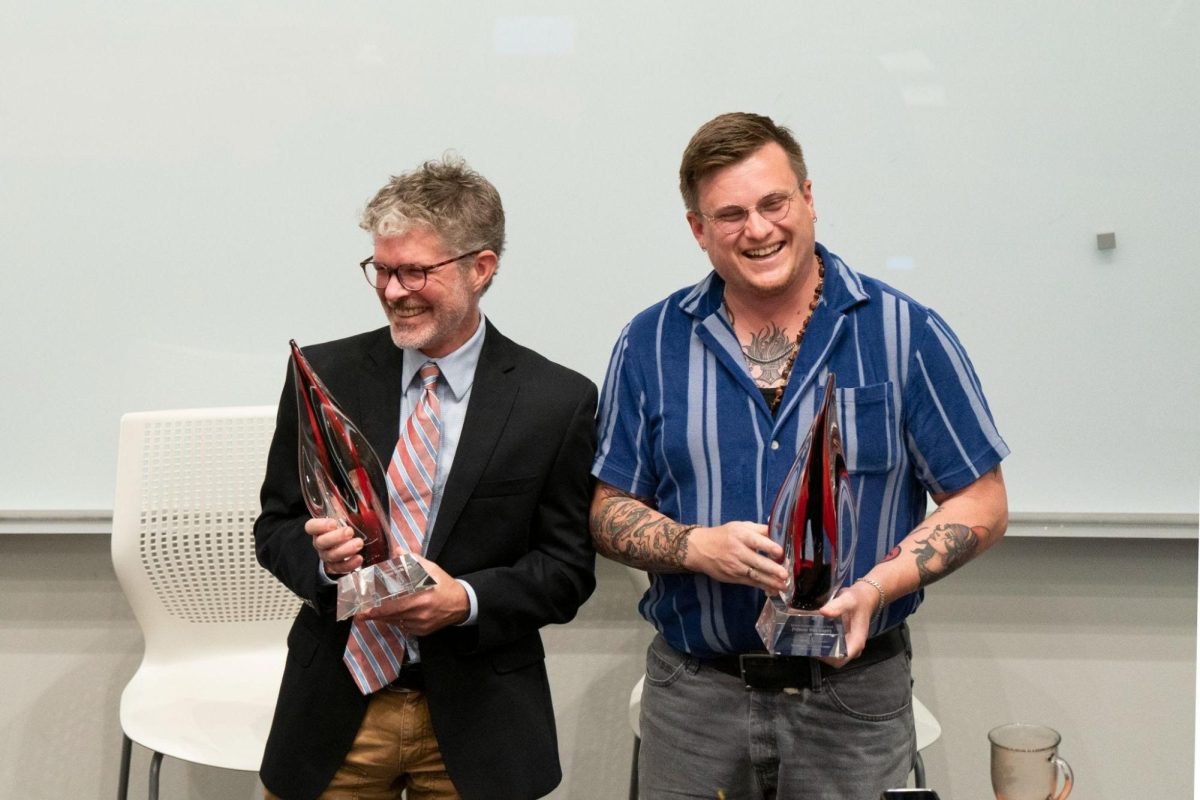
On Jan. 8, Joshua Bregy won a settlement in the lawsuit he filed with the American Civil Liberties Union of South Carolina. The settlement entails that the University will rescind Bregy’s termination. He will receive contractual pay with benefits until May 15, and is able to get positive letters of recommendation from Interim President Bob Jones to aid in his future employment endeavors.
Villaver and Newberry, two other faculty members fired in response to social media activity surrounding Kirk’s death, remain terminated at this time. With Bregy’s recent breakthrough, students on campus are revisiting Villaver’s case, including those who knew the professor personally.
The Tiger spoke with four students who have taken a class taught by Villaver, as well as one student who met him through a friend. All of the interviewees said their experiences with Villaver as a professor and mentor have been positive.
One student, Gabriel Fiorentino, said that if “students could get a professor fired, they can get them rehired.”
In addition to being a professor, Villaver was part of the faculty-directed internship program held in London over the summer. The Internship in London: Arts & Globalization program offers students the opportunity to explore “theatre and its vibrant history,” according to the program’s website.
Multiple students have noted that being part of this six-week program with Villaver attests to his attentive and caring mentality.
Torey Morrison, a junior communication major, said in an interview with The Tiger that Villaver was “more than a teacher” to her — he genuinely cared for the students. During her time studying abroad in London, she said Villaver “made a place that was far from home feel like home.”
“He spent so much time talking with me, encouraging me, and reminding his students to go after whatever their passions and desires were,” Morrison told The Tiger.
Morrison also noted that Villaver broadened her worldview and pushed her to think above what she thought was possible. When Morrison came back from the trip, she was excited to be able to take Villaver’s class this year, but was upset to hear that he had been terminated from his position.
“Having someone on campus who made me feel seen, valued, and supported meant everything to me,” Morrison said. “That is all any student and honestly any person wants in life. Professor Melvin impacted so many lives at Clemson University, and he will definitely be missed.”
Kailey Laurinaitis, a junior history major and another student who studied abroad with Villaver, shared her experiences with the professor.
As part of Villaver’s first cohort in London, Laurinaitis studied the history of Black American music and learned how specific genres have influenced artists and their music worldwide, particularly in London.
“The energy in the classroom was always high, and everyone there was engaged in the material,” she told The Tiger. Laurinaitis added that the students were able to learn the same material that was taught during his semester-long classes; however, Villaver was able to “connect it to real-life experiences in more ways” than she could have imagined.
While she was there, the class saw several musicals, a movie and went on a tour of London’s jazz history. After every class, the group shared their thoughts, opinions and experiences in discussions related to the lecture material, which she felt confident in contributing to.
What stuck out to Laurinaitis the most was “his compassion and dedication to our success and well-being.” She felt as if Villaver was “always there to help” the students when they needed and was consistently on their side.
Along with what Morrison noted, Laurinaitis said that “it was hard to be away from home, but he truly made it feel like the Clemson family was always present.”
After the trip, the students returned to campus for the fall semester, and Villaver made it known to the group that he was still there for them and “always would be.”
Jevon Lewis, a sophomore computer engineering major, met Villaver through another student, and even so, said in an interview that “he is always a person that you can talk to and he will listen.”
When Lewis heard of Villaver’s termination, he was shocked that it had to do with freedom of speech.
“Even professors should have a voice the same way students have one,” Lewis told The Tiger.
Lewis said he understands that some consequence for Villaver is justified, but that terminating his employment is not. To him, the dismissal goes against Villaver’s human rights “to not have a say on anything no matter the topic.”
Villaver had also been an advisor for Clemson’s Hip Hop Club organization.
Naturale Dunlop, an admin member of the Hip Hop club, said that Villaver always gave great energy to the members and that “his presence offered support and guidance” to them.
“He always had an encouraging thing to say and inspired us to look at the big picture,” Dunlop told The Tiger.
Fiorentino, president of the Hip Hop Club, shared his thoughts on Villaver’s termination in regard to his presence as an advisor and mentor for the club.
Fiorentino explained that Villaver had a “way to talk to somebody” that pushed them not in an aggressive way, but in more of an “uplifting and positive way.”
When Villaver was terminated from his position, the University did not reach out to Fiorentino regarding finding a new advisor for the club, nor notify him that the club’s advisor had been terminated. Currently, the organization does not have an advisor on TigerQuest.
Through Villaver’s mentorship, Fiorentino developed a collegial, professional relationship with him.
He emphasized that Villaver was “fired without being able to contact students” and was “getting death threats.” He believes that if Villaver is going to be held to a certain standard, other individuals should be as well.
Fiorentino believes that individuals who fought for the termination of Villaver were trying to scare Black students and other students with similar political mindsets. He clarified that their attempts were unsuccessful.
The Tiger also reached out to Newberry, Villaver and Bregy, as well as students taught by Bregy. None responded by publication. It remains unclear whether Villaver and Newberry will also take legal action against the University for their dismissals.








Shannon Robert • Jan 15, 2026 at 5:51 pm
As a Clemson professor and friend/colleague/fan of Villaver, I would like to express my gratitude for this article. The fallout from highly politicized institutional reactions like this one is far-reaching and damaging on many levels. When institutions take such actions without properly addressing or acknowledging the students it will hurt, or how it will affect programs, faculty, and staff, it shuts down communication and creates dysfunction. I never imagined institutions of higher learning would be leading the charge to threaten our First Amendment rights. While I acknowledge that we have a responsibility as ambassadors of our university and to our students, I also must acknowledge that we have Constitutionally protected rights. It gives me hope to see a generation of students exercising those rights. This should be met with robust conversation rather than closed doors. Thank you for opening the door to a conversation we should have. We have a history of shutting down difficult, but necessary conversations.