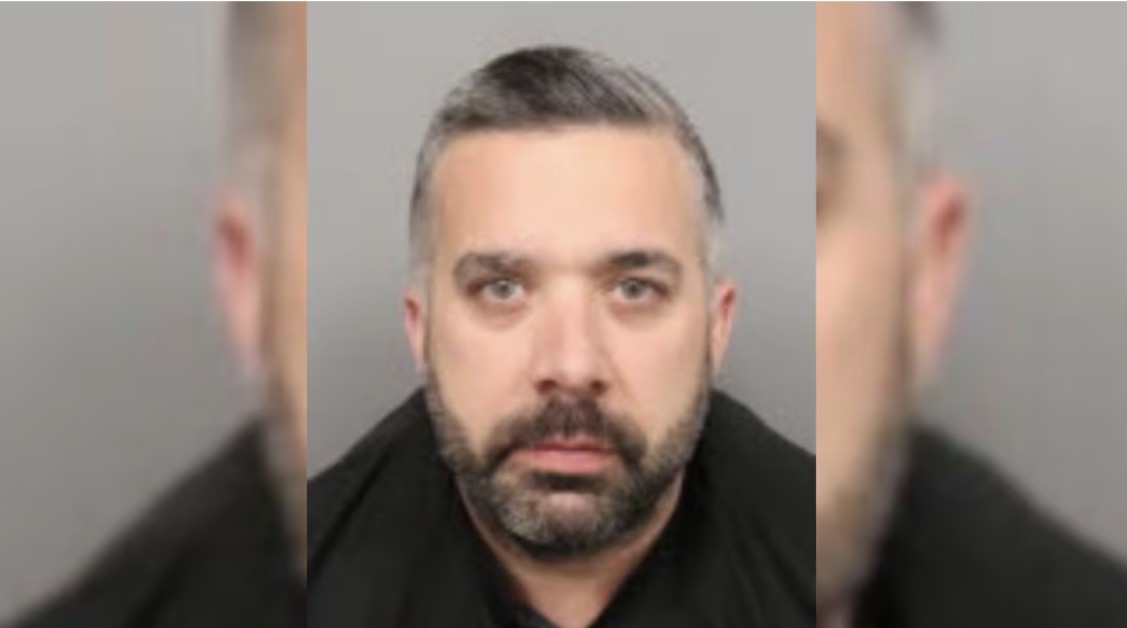


On Monday, Nov. 17, a man named Benjamin Wemp was tried for possession of a firearm on school property from an incident last October in which he was carrying two revolvers, an ammunition belt and a knife.
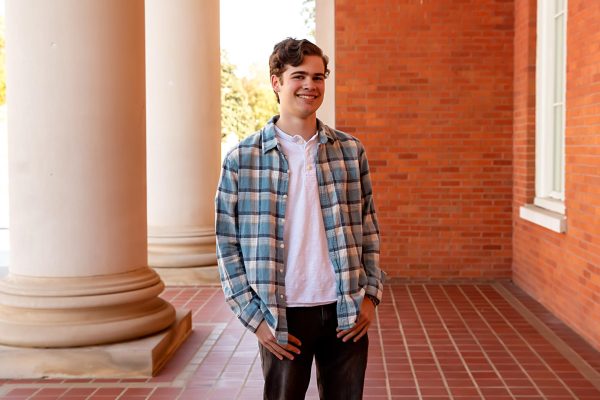
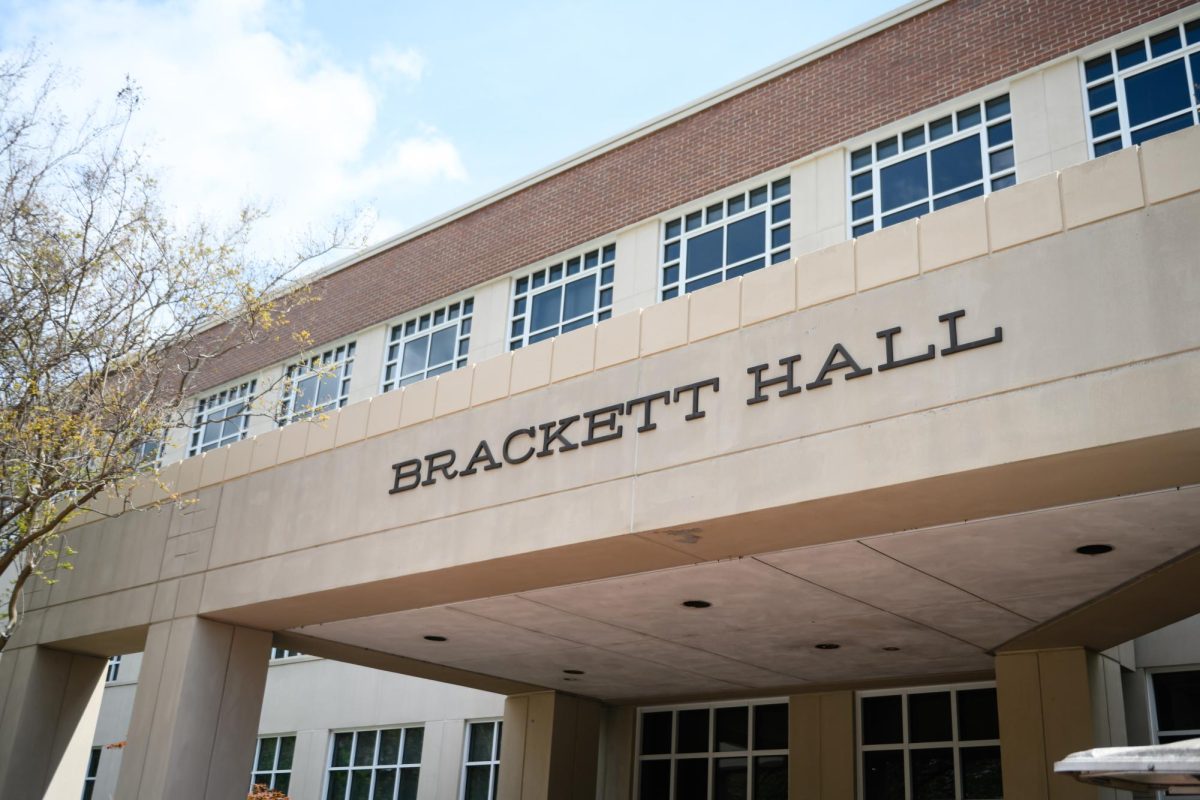
Eli Warnock, a senior biological sciences major, testified in the trial. Warnock was the student who called Clemson University Police Department upon seeing Wemp in front of Clemson’s Mell Hall with a revolver on his hip.
Warnock said in an interview with The Tiger that on the day of the arrest, Wemp was dressed in dark clothing and appeared to be with a religious organization, “Visions for the World.” Warnock said that Wemp and another similarly dressed individual almost appeared to be “bodyguards for the pastor” who was speaking.
According to Warnock, it was a relatively calm and normal Saturday afternoon on the campus.
Warnock initially confirmed with a member of Clemson University Student Government that it was illegal to have a firearm on campus. Afterward, he dialed the direct line to speak with CUPD.
“I was scared when I called the cops. I had my back to this guy who I knew had a weapon, right, and I’m sitting here unarmed, and that is certainly a fearful thought,” Warnock told The Tiger.
Warnock said that while he’s a supporter of the Second Amendment and believes guns “absolutely have a place in a society,” he “just doesn’t believe that that place is on a college campus.”
He went on to explain his familiarity with firearms.
“I’ve completed my military training, and I’m very comfortable with firearms … A gun is meant to take a life. It is designed to kill. And I think far too often people forget that.”
Warnock is a graduate of Marine Corps Officer Candidate School through the Marine Corps Platoon Leaders Class program.
He said that no one from the religious group appeared threatening or aggressive, but posed the question of what would happen if someone came up to them and disagreed, which could lead to a heated debate.
After saying he believes that having guns on a college campus would be detrimental to having an environment conducive to civil discourse, Warnock said that he “would challenge anyone who disagrees with that to go get in an argument with someone and give them a gun.”
Jon Charron, who was originally in the jury pool but not selected, said in an email to The Tiger that from the voir dire questioning, it seems that Wemp’s defense team will rely on an argument “against the constitutionality of campus gun possession ban laws and asserting religious/1st amendment demonstration.”
During the actual trial deliberation, Warnock said the defense appeared to have garnered significant support from Warnock’s friends and family.
He declined to say whether he believes Wemp intentionally brought the firearm onto a college campus or not, but told The Tiger about Wemp’s defense attorney’s likely argument that arose during Warnock’s cross-examination.
During his cross-examination, Warnock said he was asked a lot about “the crosswalk and the road that separates campus from downtown” and whether there were pavilions and bricks downtown similar to the ones in front of Mell Hall.
This line of questioning gave Warnock the impression that the defense was going to argue that Wemp could not accurately tell he was on a college campus.
During his questioning, Warnock mentioned the large sign stating “Clemson University” on it “several times” as well as the benches and memorial in response to the defense attorney.
When asked how he perceives the current campus debate around concealed carry, Warnock referenced the tumultuous political climate of this past year and the dangers of making it “that easy to take a life.”
Warnock believes that Wemp’s conviction of his charge during the trial is “due process.”
“I think he broke the law, and he was held responsible for breaking the law,” he told The Tiger.
Warnock believes this case shows that the United States’ gun laws hold steady in terms of the current state of firearm regulations.
“It kind of points to the fact that even in the most conservative of places, people agree there should be some sort of limitation on where you can carry a gun,” he continued.